Duct cleaning is one of those home services that sounds automatically sensible. Dust lives in your vents, a technician vacuums it out, and your breathing improves. If only every service worked that neatly. After testing air cleaners and HVAC equipment in humid Miami apartments, I have seen duct cleaning help in specific situations and accomplish almost nothing in others. The trick is identifying which problem you actually have before spending $300 to $800 on a truck and a hose.
What duct cleaning actually removes
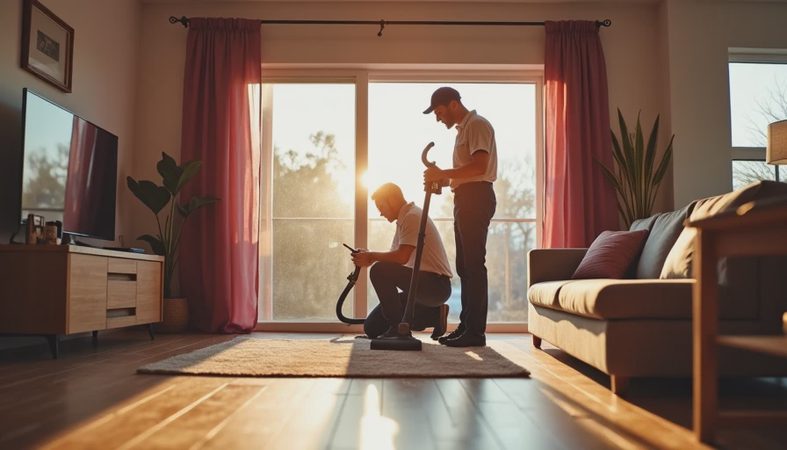
A proper service cleans accessible supply and return ducts, registers, grilles, and sometimes the air handler cabinet. The contractor should use a high-powered vacuum that creates negative pressure while agitation tools loosen dust from the duct walls. That is very different from waving a shop vacuum near one register and calling it done.
Most systems contain some ordinary household dust, lint, hair, and construction debris. A small amount is not automatically dangerous. Your HVAC filter should catch much of the airborne material before it reaches the coil or blower. If the filter is packed, poorly fitted, or rated beyond what your system can handle, debris can bypass it and collect inside the equipment.
Duct cleaning makes the most sense after remodeling, a major water leak, a pest problem, or visible debris blowing from multiple vents. It can also be reasonable when a home has a persistent musty odor that remains after replacing filters and cleaning the air handler. Ask to see the contamination before approving the work. A camera photo or a look inside the return plenum is more useful than a dramatic sales pitch.
When the service is probably worth considering
The strongest case for duct cleaning is physical evidence. During a renovation, drywall dust can travel through an unsealed return system and settle throughout the network. Rodent nesting material, insect debris, or damp insulation deserves attention too. If moisture has entered the ducts, cleaning alone is not enough; the source must be repaired, and wet porous insulation may need replacement.
A useful before-and-after test is simple. Remove a register, photograph the inside with your phone, and note whether the metal or liner is lightly dusty or coated with thick buildup. Check several locations, including the main return. One dirty grille does not prove the entire system needs service. Several heavily coated ducts, debris at supply vents, or particles appearing after the filter is changed are stronger clues.
For allergy concerns, keep expectations realistic. Duct cleaning removes settled material, but it does not continuously capture pollen, smoke, or fine particles entering the room from doors, windows, cooking, and people. A correctly sized HEPA air purifier in the bedroom can often make a larger measurable difference overnight. In my apartment testing, air movement and filter area matter more than a machine's glossy claims.
When duct cleaning is mostly theater
Be suspicious when a company promises to cure asthma, eliminate every allergy, or make your home smell like a resort. Duct cleaning is not a substitute for fixing a leaking air conditioner, controlling indoor humidity, or replacing a dirty filter. It also will not remove particles that have already settled on bedding, upholstery, carpets, and walls.
The classic low-price offer is another warning sign. A coupon advertising a whole-house service for $99 often covers only a few vents, then turns into an upsell for sanitizer, fragrance, mold treatment, or expensive coil work. Some add-ons have legitimate uses, but they should not appear automatically on every invoice. You want a written scope stating which components will be cleaned, what equipment will be used, and the final price.
Avoid anyone who cannot explain where the vacuum connects or who refuses to show evidence of contamination. Fogging an unknown chemical into your ducts is not the same as removing debris. Fragrance can hide an odor for a day while leaving the moisture or microbial source untouched. If mold is suspected, get a clear explanation of the affected material and remediation plan rather than accepting a vague spray package.

What a careful service should include
Before the appointment, ask whether the contractor cleans the supply ducts, return ducts, blower compartment, evaporator coil area, drain pan, and registers. Not every job needs every component, but the exclusions should be clear. The technician should protect floors and furniture, seal openings while vacuuming, and avoid damaging flexible ductwork.
A serious crew will inspect the system first and record its condition. They should verify that the filter is installed correctly and identify disconnected ducts, crushed flex runs, or visible leaks. If air is escaping into an attic or crawlspace, sealing that leak can improve comfort more than cleaning dust from the inside.
For a typical single-family home, expect roughly $300 to $800 for a legitimate whole-system service, with larger homes, severe contamination, or difficult access costing more. Get two or three itemized estimates. The lowest bid is not automatically a bargain if it excludes the return side and air handler, while the highest bid is not automatically better because it includes a fancy logo.
Better fixes for common indoor-air problems
If dust returns quickly after cleaning, start with filtration and leakage. Use the filter size specified by the equipment manufacturer and replace it on a schedule based on its condition, pets, construction, and household activity. A MERV 8 to 13 filter is common in residential systems, but a very restrictive filter can reduce airflow in equipment that was not designed for it. When in doubt, measure pressure or ask an HVAC technician.
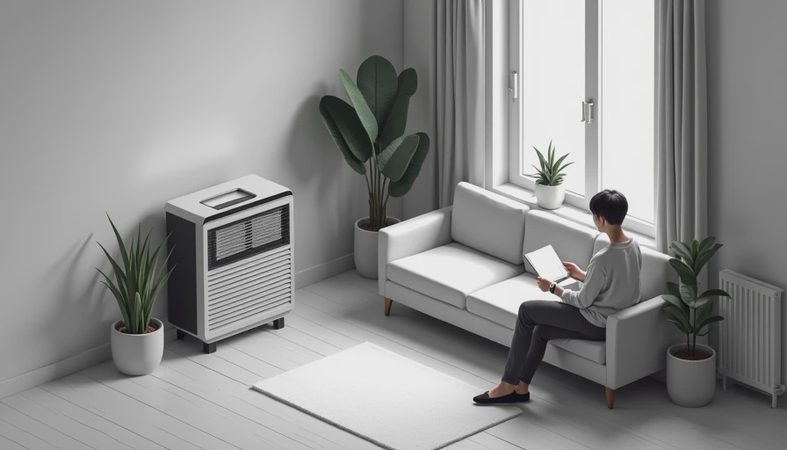
For smoke, cooking particles, and fine dust, a portable purifier with a large particle filter and a clean-air delivery rating is usually the more direct tool. Brands such as Coway, Winix, Blueair, and Levoit offer different designs, but the model must be sized for the room rather than chosen by marketing language. Run it near the bed or seating area, not hidden behind a sofa.
For musty smells in a humid home, measure humidity instead of guessing. Indoor relative humidity around 40% to 60% is a practical comfort range; persistent readings above that increase the chance of condensation and microbial growth. Repair condensate drainage, improve ventilation where appropriate, and use a dehumidifier when the air conditioner cannot keep up.
A smarter buying decision
Treat duct cleaning as a targeted maintenance job, not a universal indoor-air cure. Start by photographing the ducts, inspecting the filter, checking humidity, and identifying the actual complaint. If you find renovation debris, pests, water damage, or substantial buildup, collect written estimates and confirm the work plan. If you find light dust and no odor, put the money toward filters, sealing leaks, or a properly sized purifier.
After service, ask for photos of the cleaned areas and replace the filter. Notice whether dust at the vents decreases, odors disappear, or airflow improves over the next few weeks. If nothing changes, the original diagnosis was probably wrong. You can also use an inexpensive particle monitor to compare readings before and after cooking or vacuuming, though these devices are best for trends rather than medical conclusions.
The useful version of duct cleaning is evidence-based, limited in scope, and followed by a fix for whatever caused the buildup. The bad version is a scary inspection, a bargain coupon, and a stack of chemical upsells. Spend first on the problem your home can actually prove.