A reverse osmosis water filter can turn ordinary tap water into something that tastes noticeably cleaner, but the category is packed with exaggerated claims and cheap systems dressed up with chrome faucets. I have tested enough water appliances to know the important question is not whether a listing says “seven-stage.” It is whether the system reduces unwanted dissolved solids, delivers water at a usable flow rate, and does not become an expensive plastic ornament under your sink.
Reverse osmosis, usually called RO, pushes water through a semipermeable membrane. The membrane blocks many dissolved contaminants, while a carbon prefilter protects it from chlorine and sediment. A postfilter improves taste before the water reaches your glass. The result is usually lower total dissolved solids, or TDS, and a cleaner flavor. That does not automatically mean every system is equally effective, however.
How reverse osmosis filtration works
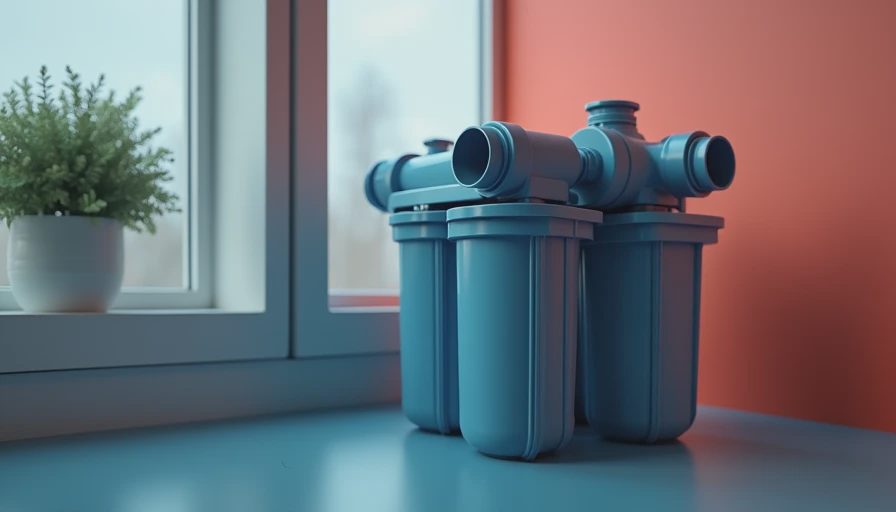
A typical reverse osmosis water filter uses several stages, but stage count is not a quality score. The first filter catches sediment such as sand, rust, and pipe debris. One or more activated carbon filters reduce chlorine and certain compounds that affect taste and odor. The RO membrane performs the main separation work. A final carbon filter polishes the water, and some systems add a remineralization cartridge to restore calcium and magnesium for a less flat flavor.
The membrane needs pressure to work properly. Many under-sink systems perform best around 50 to 80 pounds per square inch, while older homes, apartments, or wells may have less. Low pressure means slower filling and more reject water. If your kitchen faucet takes 45 seconds to fill a glass, the issue may be pressure or a tired storage tank rather than a defective membrane.
TDS meters are useful for checking performance, but they do not identify every contaminant. A low reading cannot prove that water is free of bacteria, pesticides, or every chemical concern. For well water or a property with known plumbing issues, start with a certified laboratory test. That small expense is more useful than guessing from a colorful product page.

What to look for before buying
Start with certification. Look for systems certified by NSF International or the Water Quality Association for the specific reduction claims you care about. NSF/ANSI 58 is associated with reverse osmosis systems, while other standards cover components and contaminant categories. Certification does not mean a machine removes everything; it means the tested claims have been evaluated under a defined standard.
Next, check the production rating. A basic system might be rated at 50 gallons per day, while newer tankless models often advertise 400 to 800 gallons per day. Those numbers are laboratory ratings, not a promise that you will get a gallon every few minutes in a real kitchen. Tankless units can save cabinet space, but they need electricity and often cost more upfront. Traditional tank systems are slower but can provide a ready supply for cooking and drinking.
Pay attention to the waste ratio. Older designs might send several gallons of water down the drain for every gallon produced. More efficient models can reduce that amount, but performance depends on pressure, temperature, and membrane condition. If water conservation matters, look for a published pure-to-waste ratio rather than a vague “eco-friendly” label.
Cost, maintenance, and installation
A dependable reverse osmosis water filter generally costs about $150 to $500 for a conventional under-sink setup. Tankless systems from brands such as Waterdrop, Aquasana, APEC, and iSpring can run from roughly $300 to more than $800, depending on capacity, certification, faucet design, and monitoring features. The cheapest unit is not automatically a bad purchase, but replacement filters and proprietary cartridges can change the math quickly.
Budget $40 to $150 per year for routine filters, depending on water quality and the model. Sediment and carbon filters commonly need replacement every six to twelve months. The membrane may last two to five years, although heavy chlorine exposure, hard water, and poor maintenance shorten that range. A system with inexpensive standard-size cartridges is often easier to live with than one requiring a complete branded cartridge set every year.
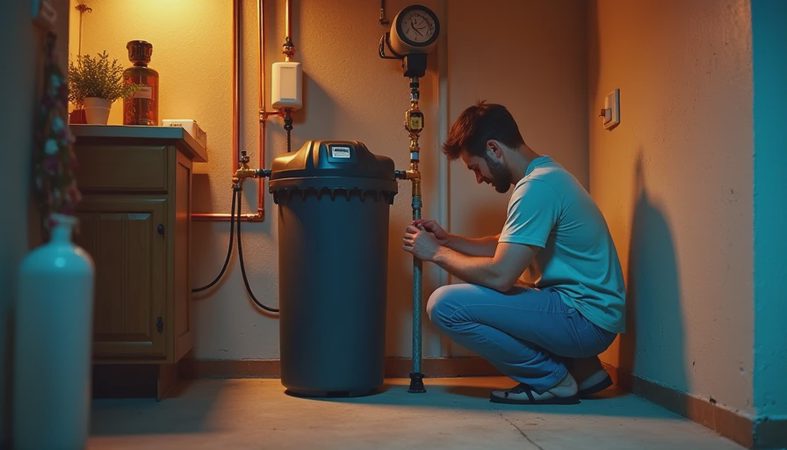
Installation is usually manageable for someone comfortable shutting off a water valve, drilling a faucet hole, and connecting plastic tubing. Renters should choose a system compatible with the existing faucet or use a countertop design. Check cabinet clearance before ordering: the tank, filters, drain saddle, and shutoff valve can consume more space than product photos suggest.
Taste, minerals, and the “healthy water” question
RO water often tastes lighter because many minerals and dissolved compounds have been reduced. Some people describe it as clean; others call it flat. A remineralization stage can add small amounts of calcium and magnesium and improve flavor, but it is not a reason to buy a poorly made system. You can also blend RO water with filtered tap water if you prefer a stronger mineral profile, though that makes the final quality less predictable.
For most households, drinking water is not the only use. Use the filtered supply for coffee, tea, ice, baby formula preparation when appropriate, and cooking where chlorine flavor is obvious. Do not assume an under-sink system treats every faucet in the house. It normally serves one dedicated faucet, leaving bathroom and shower water unchanged.
My practical buying checklist
Before purchasing a reverse osmosis water filter, test your incoming water if you have a private well, old plumbing, unusual taste, or a recent construction project nearby. Confirm water pressure and measure the cabinet. Then compare the membrane rating, certification, replacement cartridge cost, storage capacity, noise, and waste ratio. A pressure gauge is a useful extra because it shows whether slow production is caused by the home supply or the appliance.
I also prefer systems with an automatic shutoff valve and a leak detector. A $10 drip can quietly damage a cabinet base; a sensor that closes the supply or sounds an alarm is cheap insurance. Tankless products with filter-life indicators are convenient, but an indicator is only helpful if replacement cartridges are available and reasonably priced.
Avoid choosing solely by TDS reduction. A dramatic number on a handheld meter makes a good before-and-after video, but water quality is broader than one reading. Look for testing documentation, honest maintenance instructions, and a manufacturer that publishes replacement parts.
Final recommendation
The right reverse osmosis water filter is a practical tool, not a miracle appliance. Choose a certified system that matches your pressure, cabinet space, water chemistry, and budget. For a typical city-water kitchen, a conventional tank system with standard filters can deliver excellent taste without an $800 commitment. A tankless model makes more sense when cabinet space, speed, and a cleaner installation matter more than upfront cost.
My buying advice is simple: test the water first, calculate three years of filter costs, and treat stage count as marketing until the performance documentation proves otherwise. If you want help comparing current models, start with the systems that publish membrane specifications and replacement prices. That shortlist will usually save you more money than another round of scrolling through suspiciously perfect customer reviews.