A whole house water filter sounds like the sensible answer to bad-tasting tap water, chlorine odor, rusty stains, or a shower that leaves your skin feeling tight. But not every whole house water filter does the same job, and some inexpensive systems are little more than a large plastic housing with an optimistic label. I look at these systems the way I test air purifiers: identify the contaminant, measure what changes, and ignore the marketing fog.
What a whole house water filter can actually remove
The first question is not which brand to buy. It is what you want removed. Sediment filters catch physical particles such as sand, dirt, and rust flakes. Carbon filters can reduce chlorine, some unpleasant tastes, and many odors. Specialty media can target iron, manganese, sulfur odor, or certain chemicals, but those systems need to match the water chemistry rather than simply having a bigger tank.
A whole house water filter is not automatically a water softener, reverse osmosis system, or bacteria treatment device. A softener exchanges minerals that cause scale, especially calcium and magnesium. Reverse osmosis uses a membrane and is usually installed at one drinking-water faucet because it creates wastewater and has limited flow. Ultraviolet treatment can address microorganisms, but it does not remove sediment or improve taste by itself.
For municipal water, chlorine reduction and sediment control are often the practical starting points. For well water, testing comes first. A basic lab panel can reveal hardness, iron, manganese, pH, nitrate, and bacterial concerns. Spending $1,200 on a filter before knowing whether iron or sulfur is the real problem is how homeowners end up buying a second system six months later.

Choosing the right system for your plumbing
Flow rate matters more than the oversized gallon number printed on the box. A house with one bathroom and a modest shower may be comfortable with a system rated around 8 to 12 gallons per minute. A larger home with two showers, a washing machine, and a sprinkler connection can create pressure problems if the filter is too restrictive.
Check the pipe size before ordering. A 1-inch main line paired with narrow internal ports can behave like a bottleneck, even when the exterior housing looks substantial. I would rather see a clearly rated 1-inch system with published pressure-drop data than a mystery unit claiming millions of gallons without explaining performance at a useful flow rate.
The cartridge design also changes ownership costs. Standard 10-inch or 20-inch cartridges are easy to find from brands such as Pentair, 3M, Culligan, and Aquasana, while proprietary replacements can lock you into higher prices. A replacement cartridge might cost $25 to $60 for a sediment stage, while a large carbon block or specialty cartridge can run $100 to $300. Those recurring costs matter more than a flashy first-week sale price.
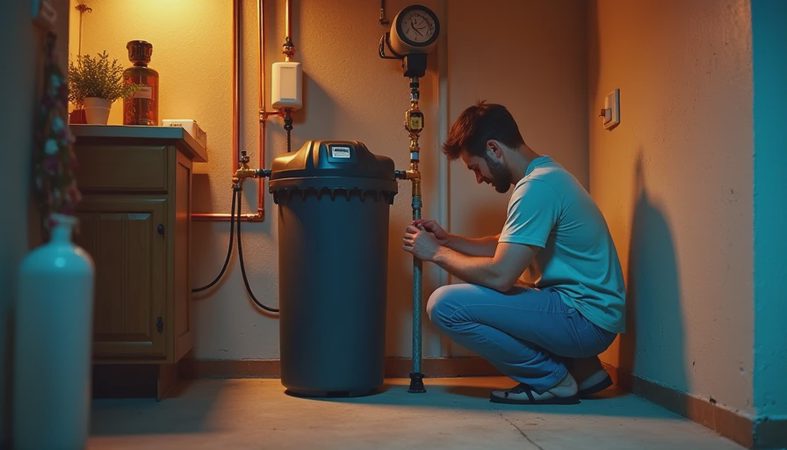
Installation typically requires a shutoff valve, bypass valve, pressure-relief arrangement, and a way to drain the housing during service. In a warm, humid place like Miami, I also want the installation protected from direct sun and standing water. A professional installation often lands between $300 and $1,000, depending on access, pipe material, and whether the main line must be reworked.
Comparing common whole house water filter types
A simple sediment-and-carbon setup is usually the best value for city water with chlorine taste and visible particles. It can cost roughly $250 to $900 for equipment, with replacement media added later. These systems are straightforward, but the carbon capacity must be appropriate for the home's daily water use. A tiny cartridge serving four people will exhaust sooner than the product page suggests.
A backwashing carbon tank costs more, often about $900 to $2,500 installed, but it can provide higher capacity with less frequent cartridge handling. It needs a drain connection and enough space for the tank and control valve. This approach is attractive for homeowners who do not want to change a large cartridge every few months.
A whole house water filter with softening media is a different purchase entirely. Combination units can save space, but they are not magic boxes. If the water is very hard, a dedicated softener may perform more predictably. If the main concern is lead from old plumbing, look for certification and test data specific to lead reduction rather than trusting a general claim that the water is “cleaner.”
NSF certification can be useful, but read the exact standard and contaminant claim. Certification for chlorine taste and odor does not prove reduction of every chemical, metal, or microorganism. The fine print is not exciting, but it is where the useful information lives.

Maintenance is where the cheap option gets expensive
A filter only works while the media still has capacity. Mark the installation date on the housing with a permanent marker and record the starting water pressure. If pressure drops noticeably at multiple faucets, the cartridge may be loaded with sediment. Waiting until the shower becomes a weak drizzle is not a maintenance plan; it is the system telling you it has already lost the argument.
Sediment cartridges may need replacement every one to six months, depending on the water. Carbon cartridges commonly last several months to a year, but actual life depends on flow, chlorine concentration, and household demand. When changing a cartridge, shut off the water, open a nearby faucet to relieve pressure, inspect the O-ring, and sanitize the housing if the manufacturer allows it. A pinched O-ring can turn a routine service visit into a slow leak behind the utility-room wall.
Do not let a filter become a forgotten storage container. If a home is vacant for an extended period, follow the product instructions for draining or replacing media. Stagnant water and neglected housings are not improvements over ordinary tap water.
Is a whole house water filter worth the money?
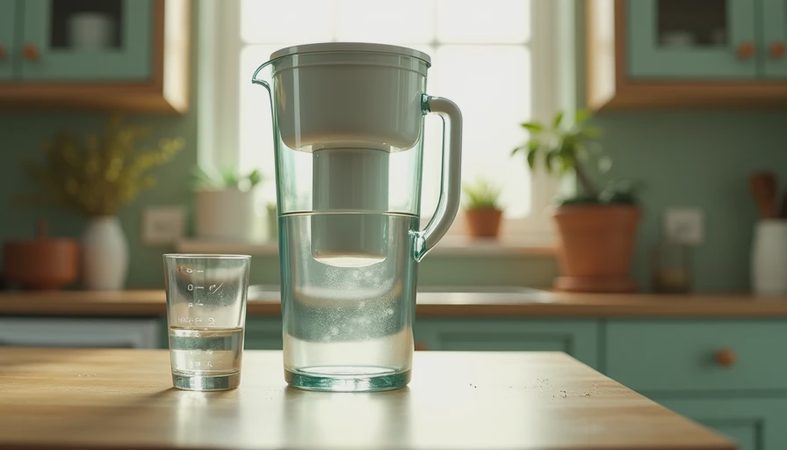
For a homeowner bothered by chlorine smell, sediment, or unpleasant taste at every faucet, the answer can be yes. Treating the whole incoming line is more convenient than carrying pitcher filters or installing small filters on every sink. It can also make showers and laundry more pleasant, although a carbon filter will not solve every skin or scale complaint.
For drinking-water safety, I would not use a generic whole house water filter as a substitute for testing. Municipal water reports are useful, but building plumbing can add its own problems. If lead is the concern, test the water at the actual faucet and choose equipment with a documented reduction claim. If bacteria are suspected in well water, use a qualified laboratory and address the source rather than hoping a random cartridge fixes it.
My practical buying rule is simple: spend first on testing, flow-rate information, accessible replacement media, and a proper bypass. A $600 system with transparent specifications can be a smarter purchase than a $1,500 tank covered in vague promises. Keep the receipt, budget for maintenance, and make sure someone in the household knows how to shut off the water.
Final buying advice
The best whole house water filter is the one matched to a measured problem, sized for the home's peak flow, and maintained on schedule. Start by identifying whether you need sediment removal, chlorine reduction, softening, or a specialized treatment. Then compare certification, pressure drop, cartridge availability, installation requirements, and annual operating cost.
If you are shopping right now, collect a water report or lab test, measure the main pipe, and ask each seller for replacement-media pricing. That ten-minute comparison can expose a system that looks affordable but costs $400 a year to maintain. A whole house water filter should make the water better without becoming another appliance you resent every time the bill arrives.