If you have wiped the same shelf three times this week, you have probably asked, would an air purifier help with dust? The short answer is yes, but only with the dust still floating through the air. A purifier is not a substitute for a vacuum, and it will not pull every settled particle from your carpet or ceiling fan. The right machine can reduce airborne particles, slow the layer that lands on furniture, and make a bedroom feel noticeably cleaner.
I test these machines in a humid Miami apartment, where open windows, construction debris, fabric furniture, and salty coastal air create a more realistic challenge than a spotless laboratory. The useful question is not whether a purifier can capture dust. It can. The useful question is whether the model moves enough air through a filter to matter in your room.
What an Air Purifier Can and Cannot Do
A dust particle has to be airborne before a purifier can capture it. Walking across a rug, changing bedding, turning on a ceiling fan, or opening a door can lift particles into the air. A purifier pulls that air through a filter, traps much of the particulate matter, and sends cleaner air back into the room.
A true HEPA filter is designed to capture at least 99.97 percent of particles at the commonly referenced 0.3-micron test size. Household dust is a mixture of skin flakes, textile fibers, soil, pollen, and other debris, so particle sizes vary. That makes a pleated HEPA or HEPA-type filter far more useful than a decorative ionizer with a tiny fan.
Still, a purifier will not collect the dust already sitting under your sofa. It will not replace a vacuum with a sealed system, a microfiber cloth, or regular washing of bedding. Think of it as a second line of defense that works continuously while you sleep or work.
How to Choose a Dust-Fighting Purifier
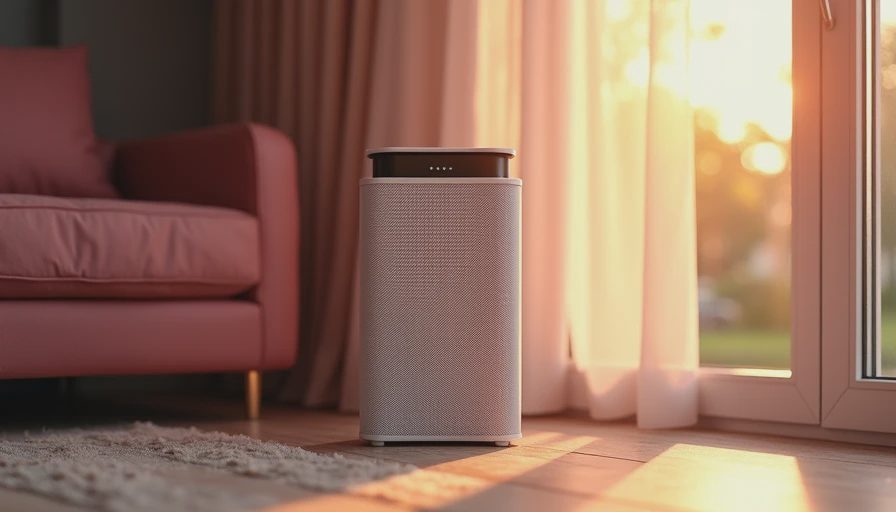
When readers ask, would an air purifier help with dust in a large living room, I start with airflow rather than brand name. Look for a published clean air delivery rate, or CADR, especially the dust CADR when available. A small desktop unit rated for a 120-square-foot office will struggle in a 500-square-foot open living area, even if its marketing says “whole room.”
For a bedroom, a unit that can circulate the room several times per hour is a practical target. In a larger space, choose a stronger model or use two smaller units. A $120 purifier with a substantial filter and strong fan can outperform a $300 model designed mainly to look good beside a sofa. I have seen attractive machines with a glowing ring and weak airflow leave my particle counter unimpressed.
The filter design matters too. A thick, pleated filter provides more surface area than a thin sheet, which usually means better dust capacity and less frequent replacement. A washable prefilter is helpful because it catches hair and large lint before those materials clog the expensive main filter.
Placement, Speed, and Daily Use
The best purifier in the wrong location becomes expensive furniture. Put it in the room where dust bothers you most, with several inches of clearance around the intake and outlet. Avoid pushing it behind a curtain, under a desk, or directly against a wall. If the unit pulls air from the back, leave enough space for unrestricted intake.
Run it on a higher speed after vacuuming, changing sheets, or opening windows. Auto mode is convenient, but some dust sensors respond better to smoke and fine particles than to heavier fibers. For overnight use, choose a lower setting that you can tolerate. Eight quiet hours of filtration generally beats two noisy hours at maximum power.
When considering would an air purifier help with dust overnight, remember that closed windows and closed doors make the job easier. Running a purifier beside an open, screenless window during a dry, windy day is like mopping while a faucet is running.
The Cleaning Routine That Makes It Work
Dust control is a system. Vacuum floors and upholstery at least weekly, and use the vacuum’s crevice tool around baseboards, vents, and bed frames. If your vacuum exhausts unfiltered air, it can simply redistribute fine debris. A sealed vacuum with a good filter is a better partner for an air purifier.
Use a slightly damp microfiber cloth on shelves and electronics. Dry dusters often lift particles into the breathing zone, where the purifier has to catch them later. Wash sheets regularly, groom pets outside when possible, and inspect HVAC return grilles. A clogged return filter can increase visible dust and reduce overall air movement.
The purifier itself needs attention. Vacuum the prefilter or clean it according to the manual, and replace the main filter when it is loaded, damaged, or due for replacement. Depending on use and filter size, replacement can cost roughly $30 to $120. A neglected filter can reduce airflow enough to erase the benefit of an otherwise capable machine.
What Results Should You Expect?
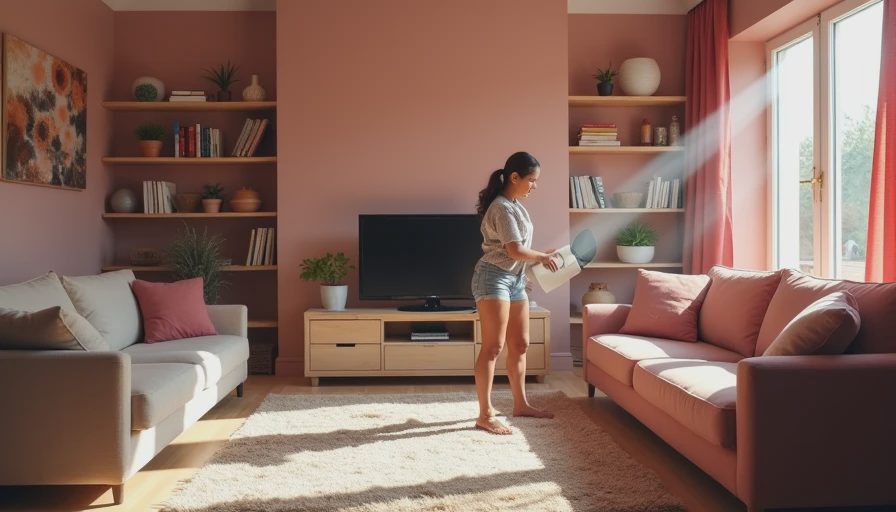
Would an air purifier help with dust if your furniture is dusty every morning? It can help, but expectations matter. You should not expect a dust-free home. A realistic improvement is less airborne debris after activity, fewer particles drifting in sunbeams, and a slower return of dust on nearby surfaces.
In a sealed bedroom with a correctly sized unit, you may notice cleaner-feeling air within a few nights. Visual dust on a dresser usually takes longer to change because the source is still present in carpets, blankets, clothing, and vents. If you only run the machine for an hour before bed, results will be modest. Continuous low or medium operation is usually more effective.
If allergies are part of the problem, reducing airborne pollen and pet dander can make the room more comfortable, but a purifier does not diagnose or treat an allergy. Keep pets, smoke, mold moisture, and outdoor pollution in the larger picture.
My Buying Checklist for Dust
Before spending money, measure the room and compare its square footage with the manufacturer’s recommended coverage. Then check CADR, replacement-filter cost, noise ratings, and whether replacement filters are easy to find. A purifier that costs $100 but needs a $90 proprietary filter every few months may be a poor bargain.
Look for a real mechanical filter, not just an ionizer or ozone-producing feature. Ozone is not a dust solution, and you do not need a strong fragrance cartridge to clean air. Carbon can help with odors, but activated carbon is not the main tool for ordinary household dust.
Finally, test the machine in the room where you will actually use it. Give it several days, keep doors and windows consistent, and compare dust on the same dark surface. That simple before-and-after check is more useful than a dramatic product video.
Final Answer: Is It Worth Buying?
So, would an air purifier help with dust? Yes, if you buy a properly sized mechanical purifier, place it correctly, and keep it running. It captures airborne dust before some of it settles, but it cannot clean floors, furniture, or vents by itself.
My practical setup is a strong bedroom purifier on low overnight, higher speed after cleaning, a sealed vacuum once a week, and microfiber dusting for surfaces. Spend less on decorative features and more on airflow and affordable replacement filters. That combination gives you cleaner air and a home that stays visibly cleaner longer without pretending one appliance can do every job.