If you have ever woken up with a dry throat, itchy skin, and a bedroom that feels like a cardboard box, what does a humidifier do is the right question to ask. It adds moisture back into indoor air so the room feels less harsh, especially when heating systems strip humidity out of a space. In Miami, I rarely need one at home, but I’ve tested plenty in drier apartments, guest rooms, and winter setups where indoor humidity fell into the 20s. That dry-air swing is no joke. The right unit can make sleep easier, reduce static shock, and keep your place from feeling like it swallowed a desert.
What does a humidifier do in a real room
At the simplest level, a humidifier pushes water vapor or a fine mist into the air. That raises relative humidity, which is just the amount of moisture in the air compared with how much it can hold. For most homes, a comfortable target lands around 30% to 50%. Drop below that and you start seeing dry lips, scratchy noses, flaky skin, and hardwood floors that complain. Go too high and you invite condensation, window sweat, and sometimes mold.
This is where people get tripped up: a humidifier does not clean the air. It does not remove dust, pollen, or smoke. It changes the feel of the room, not the pollutant load. If your apartment is dusty, you still need an air purifier. If your place is damp, you want a dehumidifier instead. Different tool, different problem. When a room is genuinely too dry, the improvement is usually obvious within a night or two.
The useful range matters. In a small bedroom, even a modest 1- to 1.5-gallon tank can make a visible difference. In a larger living room, a tiny tabletop unit may run dry before sunrise and barely move the needle. That is why room size matters more than flashy lights or app control.
Ultrasonic, evaporative, and warm mist: the version that fits your space
Most units fall into three buckets. Ultrasonic models use a vibrating plate to turn water into a cool mist. They are quiet, compact, and common in the $30 to $100 range. The catch is that they can leave white dust behind if you use hard tap water, because minerals get aerosolized along with the moisture. Distilled water fixes most of that, but it adds ongoing cost and hassle.
Evaporative units pull air through a wet wick filter and send out moisture that way. They usually self-regulate better because they do not keep blasting mist once the room is closer to balanced humidity. They also tend to be the safer bet for a nursery or bedroom because there is no hot tank. The tradeoff is filter replacements, often every one to three months depending on water quality and runtime.
Warm mist units heat water and release steam. They can feel nice in winter, and some people like the cleaner-looking output, but they use more energy and can burn a hand if a curious kid or pet gets involved. I would not buy one just because it sounds comforting on paper. I buy for the room, the noise, and the maintenance burden.
How I actually use one without creating a damp mess
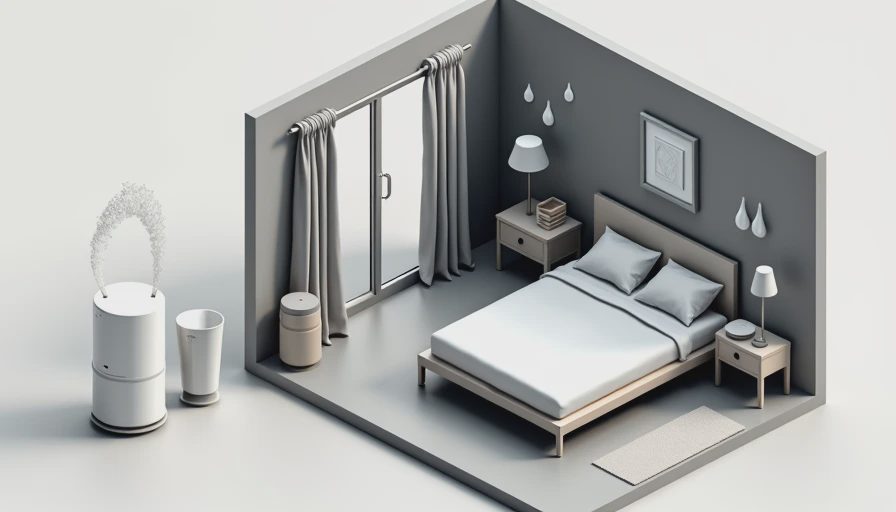
If you want a humidifier to help instead of help create a problem, placement and settings matter more than the marketing copy. I like to keep one on a nightstand or dresser, not jammed against a wall and not pointed straight at bedding. Aim the mist into open air so moisture spreads evenly. If the unit has a humidistat, set it around 40% and let it cycle. If it does not, buy a cheap hygrometer for $10 to $20 and check the room yourself. That tiny meter is worth more than a fancy app that guesses wrong.
Maintenance is where cheap ownership becomes expensive if you ignore it. Empty leftover water daily. Wipe the tank every few days. Do a deeper clean weekly with a vinegar rinse or the manufacturer’s cleaner. If you see slime, mineral crust, or a sour smell, stop and scrub. That goes double for units that sit unused for a week and then get fired up without a rinse. A clean unit gives you moisture; a dirty one gives you a science project.
For most apartments, I like a simple evaporative or ultrasonic model in the $40 to $90 range, plus distilled water if your tap is hard. If you want whole-home coverage, a portable unit will not cut it. You either need multiple units or a furnace-mounted humidifier, which is a different install and a different budget. The point is to match the machine to the room instead of hoping a small tank can solve a big air problem.
When a humidifier is the wrong answer
If your walls feel damp, your windows are sweating every morning, or you smell mildew in the closet, do not add more moisture and hope for the best. That is how you turn one discomfort into two. In a place like South Florida, I see the opposite problem far more often: too much humidity, not too little. A dehumidifier or better ventilation fixes that. A humidifier would make the room worse.
It also does not cure every dry-air symptom. If you are waking up congested because of dust, pet dander, or a bad HVAC filter, adding moisture will not solve the real issue. Sometimes a better MERV-rated filter, a cleaner return vent, or an air purifier does more for sleep than a moisture machine ever will. If you are asking what does a humidifier do because your nose feels raw every morning, the answer is still useful, but it is not magic.
What to look for before you buy
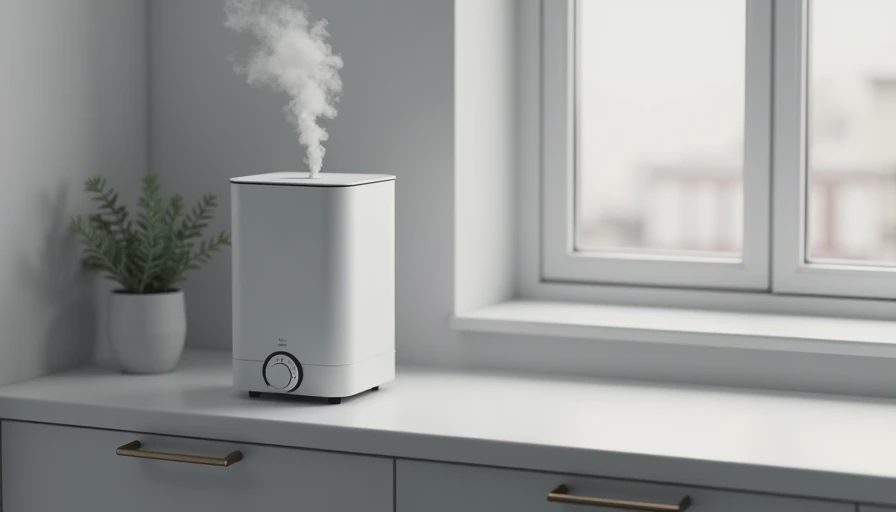
Start with tank size and runtime. A bedroom unit that runs all night without refilling beats a tiny desktop model that quits at 3 a.m. Next, check how easy it is to clean. Wide tank openings beat narrow ones every time. Look for automatic shutoff, because dry-running a unit is how you shorten its life. Noise matters too. Around 30 to 35 decibels is quiet enough for most sleepers, while louder fan noise can become the thing you notice most.
After that, look at the hidden costs. Filter-based models have replacement wicks. Ultrasonic units may push you toward distilled water. Some smart models add app control, but I would not pay extra just for a phone screen if the humidity control is sloppy. In my testing, the best unit is usually the one that holds a steady level, stays easy to clean, and does not turn maintenance into a chore you dread.
If you are shopping for one today, use your room size, your water quality, and your tolerance for cleaning as the deciding factors. That is the boring answer, but it is the one that saves money.
At the end of the day, what does a humidifier do is a straightforward question with a practical answer: it makes dry air easier to live with. It can help a room feel calmer, help sleep feel less rough, and take the edge off winter dryness. Pick the right type, keep it clean, and it earns its spot fast.