An ultrasonic humidifier can be a smart buy when your bedroom feels like a wind tunnel and your throat pays the price by morning. I live and test in Miami, so I care less about the marketing fluff and more about whether a machine actually nudges indoor humidity into a better range without turning the room into a damp mess. In a city where the air outside can already feel heavy, the real trick is finding a unit that adds just enough moisture, stays quiet enough for sleep, and does not leave white dust on the nightstand.
The basic promise is simple: fill the tank, plug it in, and let a fine mist raise the room’s moisture level. The part shoppers miss is that not every model handles that job well. Some are nearly silent but weak. Some push a lot of output but are annoying to clean. Some look sleek and then make you mop around them every other day. If you want a machine that earns its space, you need to look past the box art and focus on output, tank design, cleaning access, and how the thing behaves in a real room.
How an ultrasonic humidifier actually works
An ultrasonic humidifier uses a tiny vibrating plate, usually a ceramic disc, to break water into a cool mist. There is no boiling element, so it stays energy efficient and quiet. That is why these units show up in bedrooms, nurseries, and home offices more often than steam models. In practice, the best ones are calm enough to disappear into the background while still adding enough moisture to move a dry room from the low 30s into a more comfortable 40 to 50 percent range.
Where people get burned is mineral content. If your tap water is hard, the mist can carry minerals that settle as white dust on furniture and around the base of the unit. Distilled water cuts that way down. So does a model with a decent demineralization cartridge, though that means another recurring cost. I also like top-fill tanks because they are less annoying to rinse and less likely to leak all over the sink while you are refilling them.
Sound matters too. A good ultrasonic humidifier should make a soft hum at most, not a gurgle that wakes you at 2 a.m. If the product page talks only about “spa vibes” and not tank size or runtime, I take that as a warning sign.
What I test before I trust one in a bedroom
When I put a humidifier on the bench, I am looking for real moisture delivery, not a pretty mist plume. I use a calibrated hygrometer to see how quickly a room climbs and whether the humidity stays stable overnight. In a typical bedroom setup, a useful machine should be able to make a noticeable difference in several hours, not just for the first fifteen minutes. I also pay attention to how the output behaves on the lowest setting, because that is where bedroom units earn their keep.
I care a lot about refill routine and cleaning access. If the tank opening is too small for a hand or a bottle brush, you are going to neglect it, and neglected humidifiers get slimy fast. Flat surfaces, wide openings, and removable parts make a real difference. I also like controls that are boring in a good way: one dial, a few clear settings, and a mist level you can understand without a manual the size of a phone book.
If a unit claims to be whisper quiet but rattles when the water level drops, that is a fail in my book. Quiet matters because people do not buy a bedroom humidifier to listen to it all night. They buy it because dry air feels bad, and they want relief without drama.

The hidden costs that show up later
The sticker price is only part of the bill. A budget ultrasonic humidifier can look like a steal at $30 to $60, but the running costs add up if it needs a filter, a demineralization cartridge, or constant distilled water. If you are refilling a tank every night and buying two gallons of distilled water each week, that is not a huge fortune, but it is real money over a season. A better tank design can save you more than a fancy app ever will.
I am also skeptical of units packed with features that do not improve moisture delivery. Color lights, app control, and aroma trays are fine if you want them, but none of those features fixes a weak mist output or a tank that is annoying to scrub. If a product page is heavy on “smart” language and light on runtime, coverage area, and tank capacity, read that as a sales pitch, not a performance sheet.
This is where an ultrasonic humidifier either becomes a useful tool or a small weekly chore. The good ones are easy to fill, easy to rinse, and easy to run without babysitting. The bad ones ask for constant attention and then act surprised when you stop using them.
When to skip this type and buy something else
Sometimes the smartest move is not another cool-mist machine. If your room already sits near 50 or 55 percent relative humidity, adding more moisture can make the air feel sticky and encourage condensation on windows. In that case, a dehumidifier or better ventilation solves the actual problem. Miami teaches that lesson fast: more moisture is not always more comfort.
I also reach for a different style when someone wants to humidify a bigger living area. A small bedroom unit can handle a closed room, but open-plan spaces need more capacity than a tabletop model can deliver. That is where larger console units or evaporative designs start to make more sense. They are not as sleek, but they can move more water into the air without fogging up the immediate area around the machine.
If you are buying for sleep, go quiet and simple. If you are buying for a whole room, go bigger and accept the extra footprint. That choice matters more than brand logo hype.
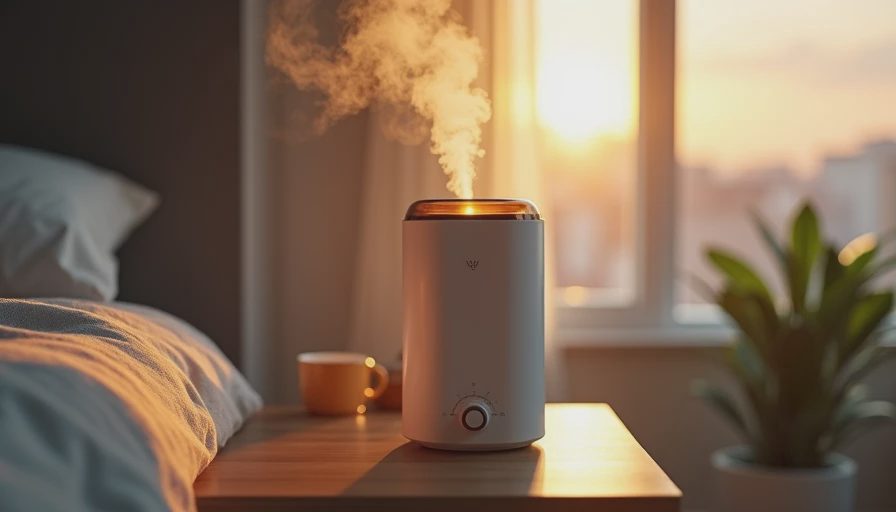
A practical buying checklist that keeps you out of trouble
Start with tank size and runtime. A unit that holds enough water to last through the night is easier to live with than one that needs a refill at bedtime. Then look at the fill opening, because a wide opening saves you from splashy sink refills and awkward cleaning. After that, check whether the mist direction is adjustable so you are not spraying a wall or a curtain.
Next, compare the upkeep. If the unit needs frequent cartridge changes, make sure the replacement parts are easy to find and not priced like printer ink. Brands like Levoit, Honeywell, Vicks, and Crane all sell common home humidifiers, but the name on the box matters less than whether the design fits your room and your cleaning habits. I would rather have a plain unit that is easy to maintain than a flashy one that gets crusty in a month.
Finally, think about your water. Hard water and cheap tanks are a bad combo, so distilled water or a built-in mineral treatment can save you headaches. If you want the short version, buy the machine you will actually clean. That is what keeps an ultrasonic humidifier useful after the honeymoon period ends.
If you want relief from dry air without turning your bedroom into a science experiment, keep your eyes on output, noise, and cleaning access. A well-chosen ultrasonic humidifier should feel invisible in the room and obvious in the morning. That is the kind of upgrade worth paying for.