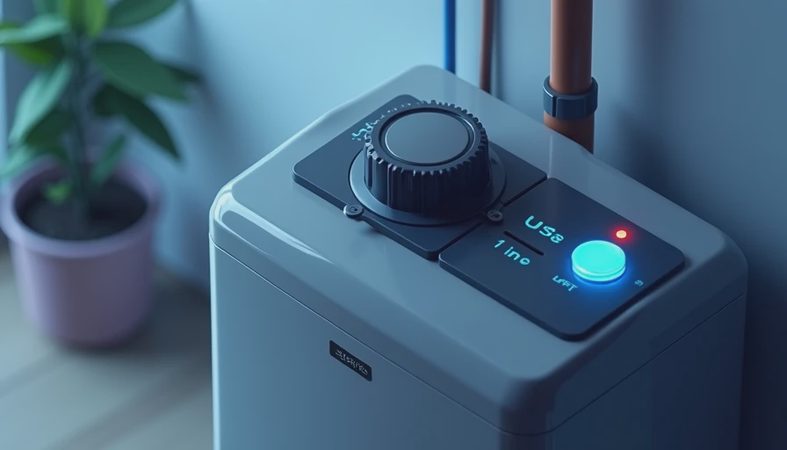
If you are asking how much is a water softener, you probably have hard-water evidence already: cloudy glasses, stiff towels, white scale around faucets, or a showerhead that seems to lose pressure every few months. In the US, a conventional whole-house softener usually costs about $800 to $2,500 installed. Larger homes, difficult plumbing, premium controls, and unusual water chemistry can push the project past $3,000.
The equipment itself is only part of the bill. You are paying for a mineral tank, brine tank, control valve, bypass plumbing, setup, and often a water test. I have seen homeowners focus on a $600 online listing and forget that delivery, installation, a drain connection, and startup salt can add several hundred dollars. The sensible comparison is the complete installed system, not the biggest discount on the product page.
How much is a water softener by system type?
A basic demand-initiated salt softener generally costs $500 to $1,200 for equipment and roughly $300 to $1,000 for professional installation. That puts a typical total around $800 to $2,200. These systems use ion exchange to replace calcium and magnesium with sodium or potassium ions. The control meter regenerates the resin when your household has used a calculated amount of water, which is more efficient than regenerating on a fixed schedule.
Higher-end systems commonly land between $1,500 and $3,500 installed. The extra money can buy a better control valve, larger resin capacity, leak detection, Wi-Fi monitoring, longer warranties, or equipment sized for high flow rates. Fleck and Clack components are common in the professional market, while brands such as Culligan and Kinetico are often sold through local dealers with installation and service packages. A recognized name does not automatically make a system better; valve quality, correct sizing, and service access matter more.
Salt-free conditioners often cost $600 to $2,000 installed, depending on the media and plumbing work. Be precise about what you are buying. Most salt-free products condition or reduce scale formation; they do not remove hardness minerals the way an ion-exchange softener does. If your goal is softer-feeling laundry and lower soap use, a true softener is the relevant comparison.
What changes the installed price?
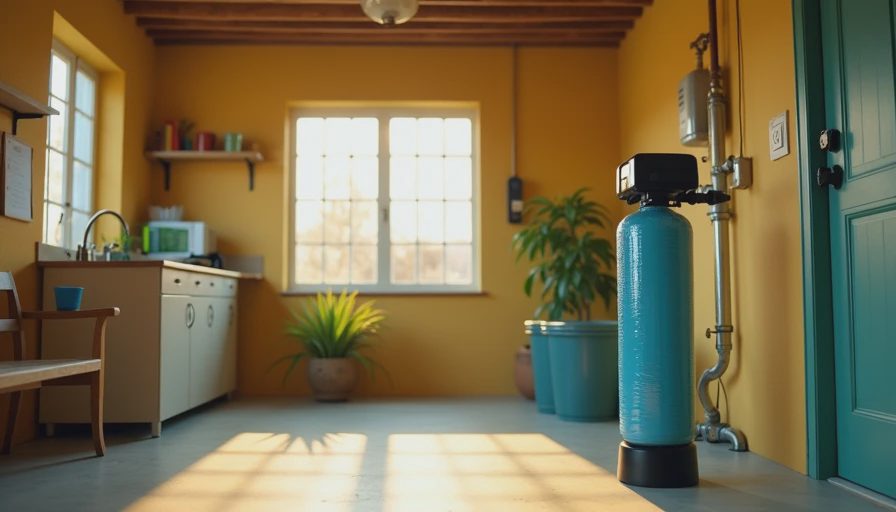
The answer to how much is a water softener can change sharply based on the installation site. A simple setup near an existing main water line, drain, and electrical outlet may take two to four hours. A system installed in a garage with accessible plumbing is usually cheaper than one tucked beneath a kitchen sink or placed across the house from the main entry point.
Plumbing modifications can add $200 to $800. A new drain line, outdoor discharge route, shutoff valve, bypass loop, or dedicated electrical outlet may add more. In some homes, the installer must move shelves, cut drywall, or work around a water heater. Apartment and condo residents also need permission before altering shared plumbing, and a portable under-sink filter may be more realistic than a whole-home installation.
Water testing also deserves attention. Municipal water reports can reveal general hardness, but a local test may identify iron, manganese, tannins, acidity, or sediment that affects sizing. Iron can consume softening capacity, while sediment can damage a control valve. Spending $30 to $150 on a useful test is cheaper than installing an undersized unit and discovering that the resin is exhausted every few days.
Ongoing costs most quotes leave out
Salt is the obvious recurring expense. A household might use one 40-pound bag every four to eight weeks, with retail prices commonly around $7 to $15 per bag. A family with very hard water, high water use, or an inefficient timer-based system can use considerably more. Potassium chloride is an alternative for some households, but it usually costs more than sodium chloride and is not a magic way to eliminate maintenance.
Plan for occasional cleaning, resin-bed care, and replacement parts. A service visit can cost $100 to $250, while a replacement control valve or injector may run from about $100 to several hundred dollars before labor. Resin can last roughly 10 to 15 years in favorable conditions, though chlorine, iron, poor maintenance, and incorrect regeneration settings can shorten that lifespan. Electricity and wastewater costs are usually modest, but each regeneration uses water and sends brine to a drain.
How to compare quotes without getting played
When someone asks how much is a water softener, my first question is whether the quote includes everything needed to make it operate. Ask for the model number, grain capacity, service flow rate, salt dose, warranty, installation labor, tax, haul-away, startup salt, and future service pricing. A quote that only says “premium whole-house treatment” tells you almost nothing.
Compare capacity to actual household use. A couple in a small home may not need the same unit as a family of six with multiple bathrooms. Oversizing can waste salt and money, while undersizing causes frequent regeneration and inconsistent performance. Demand-initiated control is usually preferable because it responds to water consumption rather than blindly running on a calendar.
Be cautious with long rental contracts and high-pressure in-home demonstrations. A dealer may quote $4,000 to $7,000 after financing, even when a comparable equipment package is available for far less. That does not make dealer service worthless, especially when local water is difficult, but the contract should explain installation, warranty coverage, resin replacement, and cancellation terms in plain language.
Is a water softener worth the money?
The value is strongest when hard water is damaging appliances or making daily cleaning irritating. Less scale inside a water heater can help preserve efficiency, and softer water often reduces detergent and cleaning-product use. Fixtures stay easier to wipe, towels feel less stiff, and shower doors may need less aggressive descaling. Those improvements are practical, even if they do not create a dramatic change in your monthly utility bill.
A softener is not a drinking-water purifier. It does not reliably remove bacteria, lead, pesticides, or every unwanted chemical. If taste or a specific contaminant is your concern, pair appropriate treatment with a certified reverse-osmosis system or another filter designed for that contaminant. Softened water also contains added sodium, so households with medical sodium restrictions should discuss drinking-water choices with a qualified professional.
For renters or anyone on a tight budget, start with the highest-impact fixtures. A showerhead filter will not soften water, but it may improve chlorine odor. A faucet filter can address taste. These are not substitutes for whole-house treatment, but they prevent spending $2,000 on a problem that really belongs at the kitchen tap.
A realistic buying budget
For a straightforward home, budget $1,000 to $2,200 for a properly installed salt-based system, including basic plumbing and initial salt. Budget $2,000 to $3,500 for a premium valve, higher capacity, monitoring, or complicated installation. If a quote reaches $4,000 or more, request an itemized explanation and compare it with an independent plumber or water-treatment installer.
The best answer to how much is a water softener is therefore not one universal number. It is the price of correctly sized equipment, competent installation, predictable maintenance, and treatment that matches your actual water problem. Get the water tested, compare complete quotes, and avoid paying purifier money for a conditioner that never removes hardness. A little measurement up front beats living with a very expensive tank that regenerates too often and solves the wrong problem.