A water softener system is one of those purchases people put off until the shower glass is fogged with scale, the faucets look chalky, and the dishwasher starts leaving mineral freckles on everything. I test a lot of home gear in Miami, and hard water problems show up fast here: dull fixtures, stiff laundry, and that weird film on sinks that keeps coming back no matter how often you scrub. If you want the short version, a good setup does not make water feel fancy. It makes water behave better, and that is usually what people are actually paying for.
The part most buyers miss is that not every system is doing the same job. Some units soften water with ion exchange, some are water conditioners that promise a similar result without truly removing hardness, and some are just expensive tanks with a nice brochure. If you are shopping for your first setup, the right move is to start with your water test, your household size, and your tolerance for salt bags in the garage.
How a water softener system actually works
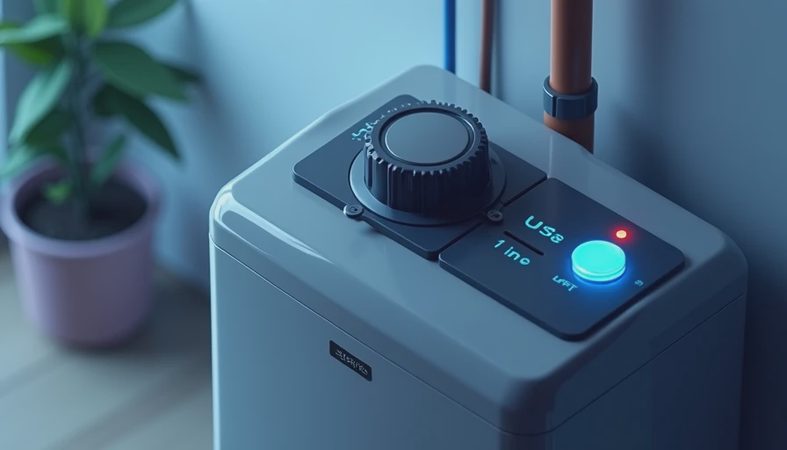
A water softener system usually uses ion exchange resin to swap calcium and magnesium for sodium or potassium. That is the part that reduces scale. It does not filter out every contaminant in the way a carbon filter does, and it is not the same thing as reverse osmosis under the sink. It is built for hardness, first and foremost.
That matters because hardness is what creates crust on shower doors, shortens the life of water heaters, and makes soap stop behaving like soap. When I talk to homeowners, I usually tell them to think of it as a plumbing protection tool with comfort benefits attached. The soap lathers better, the glass needs less wiping, and the heater does not have to fight mineral buildup as hard. If you are comparing a basic big-box model to a better-spec system with a metered control valve, the better unit usually earns its keep through smarter regeneration, less wasted salt, and fewer nuisance cycles.
For a lot of homes, the difference is obvious in the first week. Not glamorous, just noticeable.
Where hard water shows up first in real homes
The fastest way to judge a water softener system is to look at the places hard water punishes first. Shower glass tells the story. So do aerators, dishwasher racks, and the bottom of toilet tanks if the water is really mineral-heavy. In a typical South Florida home, I expect the complaints to start with white spots on fixtures and end with laundry that feels a little rough even when the detergent is decent.
If you want to sanity-check your setup, test the water before and after with a hardness strip or a meter. I like numbers because opinions get slippery fast. A home that starts around 10 to 15 grains per gallon of hardness is usually in the zone where a softener starts paying off in daily life. Below that, the comfort improvement may be real but less dramatic. Above it, scale control becomes a lot less optional, especially if you have a tank water heater or a family that runs laundry, showers, and dish cycles every day.
The other clue is your cleaning shelf. If you keep buying vinegar, descaler spray, and scrubbing pads, the water is probably telling on itself.
Salt-based versus salt-free: do not let the label fool you
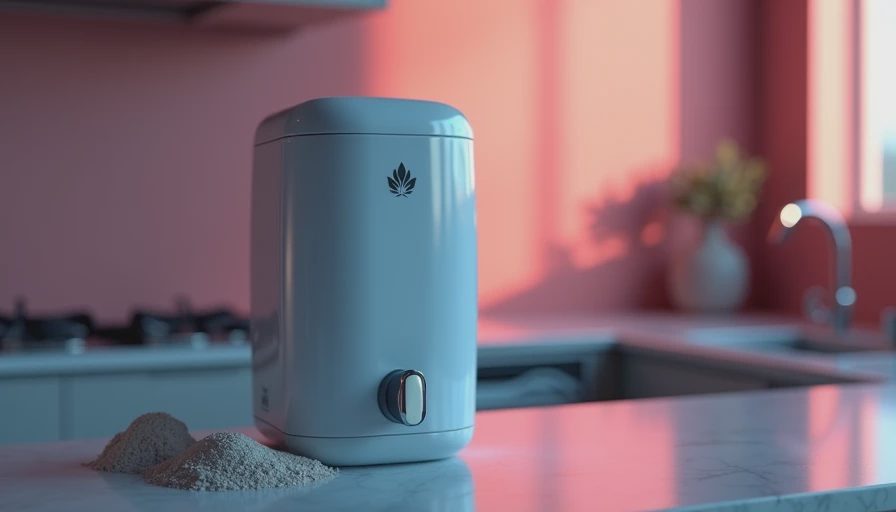
This is where shoppers get sold a lot of dreamy language. A salt-based water softener system removes hardness through resin and regeneration. A salt-free unit, usually sold as a conditioner, may reduce scale formation, but it does not work the same way and it does not actually exchange minerals out of the water. That distinction matters if your goal is truly softer water at the tap.
I am not anti-salt-free, but I am anti-confusion. If you rent, have limited space, or hate the idea of hauling 40-pound salt bags, a conditioner can still be worth a look. If you want softer laundry, better soap performance, and less scale in the lines, the real softener is the one that delivers the result most people are shopping for in the first place.
Brand-wise, you will see a lot of systems built around Fleck or Clack control valves in the more reputable midrange setups, while big-box names like Whirlpool, GE, and Rheem tend to keep things simpler and more consumer-friendly. That does not make one category perfect and the other junk. It just means you should read the spec sheet like a grown-up, not the marketing page like a tourist.
What it costs to buy, install, and keep running
A decent water softener system is not cheap, but it is not luxury-car money either. For equipment alone, basic units can start around $500 to $900, while better whole-home systems often land between $1,200 and $2,500 before installation. If you need a plumber to add a bypass valve, drain line, or electrical outlet, installed pricing commonly climbs into the $1,800 to $4,000 range depending on house layout and local labor.
Running costs are usually manageable. Salt might run $8 to $15 per bag, and a typical household can go through one or two bags a month depending on water hardness and usage. Potassium chloride costs more. Electricity use is low, since the control head does the work and the system only regenerates when needed if it is metered correctly. The bigger hidden cost is bad sizing. Too small, and it regenerates too often. Too large, and you paid for capacity you do not use.
I would rather see a homeowner buy the right size middle-tier unit than overspend on a giant tank from a glossy catalog.
How to shop without getting sold a shiny mistake
Start with a hardness test, not a sales pitch. Then ask how many people live in the home, whether the house has a tank or tankless water heater, and whether the system is meter-based or timer-based. Metered regeneration is usually the smarter choice because it responds to actual water use instead of a calendar date. If a rep cannot explain the resin capacity, the valve type, and the drain requirement in plain English, I would keep walking.
This is also where installation matters. A water softener system needs a proper bypass, a drain for regeneration discharge, and enough room to service the brine tank. In a condo, a tight utility closet can turn a simple purchase into a headache. In a single-family home, the fit is usually easier, but I still like to see room for salt storage and a clear path to the main shutoff. If you are in a humid climate like Miami, keeping the salt dry is not optional unless you enjoy one giant block of disappointment.
The best quote is not always the cheapest. It is the one that names the valve, the resin capacity, the install scope, and the maintenance you will actually do.
When a water softener system is worth the money
A water softener system is worth serious attention when you are tired of scale, tired of scrubbing, and tired of replacing fixtures before their time. It becomes especially compelling if your water heater is aging, your appliances are collecting mineral grit, or your laundry never feels quite clean. In those homes, the savings are not just abstract. They show up as less soap waste, less descaling, and fewer service calls that start with the words, why is this so crusty?
If your water is only mildly hard, you may not need the biggest setup on the market. A smaller metered unit can still solve the real problem without eating your budget. If your water is clearly hard and your home has multiple bathrooms, the payback is easier to feel in day-to-day life. That is why I like starting with the numbers and ending with the comfort. When a water softener system is sized right, installed right, and matched to the actual water in the house, it stops being a gadget and starts being one of those boring upgrades that quietly saves you money.