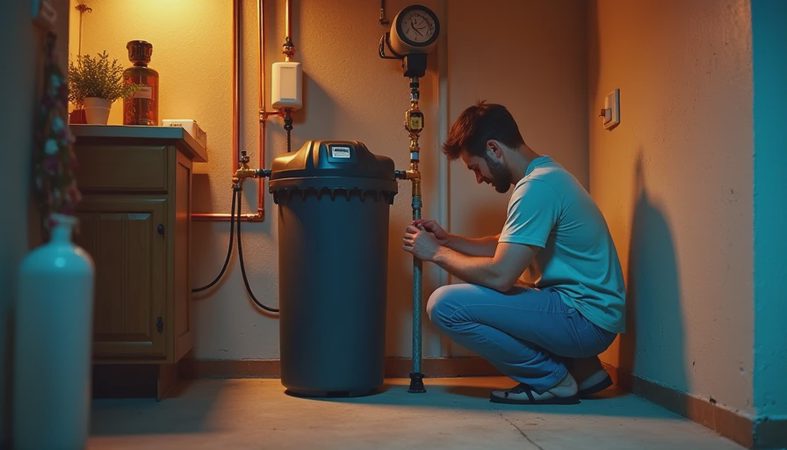
A water filter system can improve taste, reduce certain contaminants, and make questionable tap water much easier to live with. It can also become an expensive plastic box that changes almost nothing. I have tested enough filters in real homes to know the difference usually comes down to three things: the technology inside, the certification on the label, and whether the owner actually replaces the cartridge.
If your water smells like chlorine, leaves white scale on the kettle, or tastes different from one season to the next, start by identifying the problem instead of buying the biggest-looking appliance. A basic water quality meter can show dissolved solids, but it cannot tell you whether those solids are lead, calcium, sodium, or something harmless. Your utility water report or a properly selected lab test is more useful.
Choosing the right type for your home
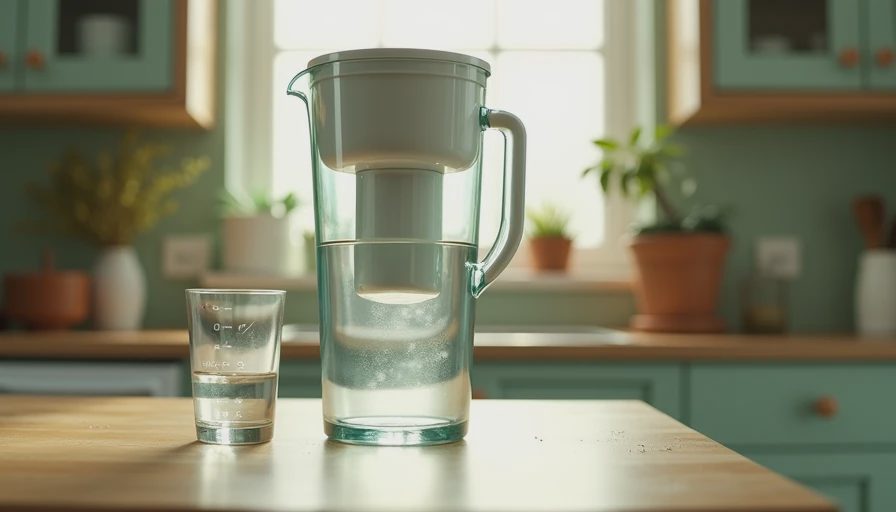
A countertop water filter system is the easiest entry point. Most models connect to a faucet with an adapter or use a refillable reservoir. Expect roughly $40 to $200 for the unit and about $20 to $60 per year for replacement filters. These are convenient for renters and usually handle chlorine, odor, sediment, and some organic compounds. The tradeoff is slower dispensing and limited capacity.
An under-sink water filter system is my usual recommendation for a homeowner who wants better water without remodeling the kitchen. It keeps the filter out of sight, delivers water through a dedicated faucet, and often costs $150 to $500 installed. Carbon block cartridges are excellent for taste and chlorine. Some certified cartridges also reduce lead, cysts, or select chemicals, but the exact claim belongs to the cartridge, not the housing.
A whole-house water filter system treats water at the main entry point. That can make sense when sediment damages fixtures, well water has a persistent odor, or several bathrooms need filtered water. It is not automatically better for drinking water. A large sediment tank may protect plumbing while leaving dissolved contaminants untouched. Whole-house setups also involve installation, a shutoff valve, drainage, and replacement media, so the total cost can reach $700 to $3,000 or more.
Match the technology to the contaminant
Activated carbon is the practical workhorse. In a properly sized water filter system, carbon can reduce chlorine taste and odor, and some cartridges are certified for compounds such as certain volatile organic chemicals. Carbon does not soften hard water and generally does not remove dissolved minerals. If your glass dries with a chalky ring, you are seeing hardness, not a failure to remove chlorine.
Reverse osmosis uses pressure to push water through a semipermeable membrane. A good reverse osmosis water filter system can reduce many dissolved substances, including some salts and metals, but it normally wastes some water and requires a storage tank, prefilters, and periodic sanitizing. The output may taste flat unless the system includes a remineralization stage. I would not install one solely because a salesperson waves a high total-dissolved-solids reading at you.
Ultraviolet treatment is aimed at microorganisms and works best when water is clear enough for the light to reach them. It does not remove chlorine, lead, PFAS, or hardness. Sediment filters catch particles but do not make contaminated water safe by themselves. Ion exchange can soften water or target specific ions, yet it requires the correct resin and maintenance. The label should explain the job in plain language.
Read certifications instead of marketing
Look for certification from organizations such as NSF or ANSI, then verify the specific standard and contaminant claim. NSF/ANSI 42 generally relates to aesthetic improvements such as chlorine taste and odor. NSF/ANSI 53 covers certain health-related contaminant reductions, while NSF/ANSI 58 applies to reverse osmosis systems. Certification does not mean a device removes everything; it means the tested model met defined requirements for particular claims.
Be suspicious of phrases like “purifies all water” or “removes 99 percent of toxins” without a list of tested substances. A $35 pitcher with a certified carbon cartridge can be a smarter purchase than a $900 machine with vague language. Brand names including Brita, PUR, Aquasana, 3M, and iSpring cover different product categories, so compare the replacement cartridge and certification rather than the logo alone.
Replacement cost is where many purchases go sideways. A filter that costs $25 every two months can exceed $150 annually. A system with a $70 cartridge lasting six months may be cheaper and less wasteful. Write down the cartridge number, replacement interval, and gallons-per-filter claim before purchasing.

Installation, maintenance, and real-world testing
Before installing a water filter system, measure the cabinet space, check the cold-water line size, and confirm that the included adapter fits your plumbing. Leave enough room to turn the housing or remove the cartridge. Put a towel under every connection during the first pressure test. A slow drip that seems minor can ruin the cabinet floor over a weekend.
Flush new carbon filters for the time stated in the instructions. Black dust from a new cartridge is usually carbon fines, not a sign that the filter is defective. Replace cartridges on schedule even if the water still tastes fine. An exhausted filter can lose performance, and a neglected housing can develop unpleasant odors. If the unit has a filter-life light, treat it as a timer unless the manufacturer explains that it measures actual flow.
For my own testing, I compare untreated and filtered samples for taste, odor, flow rate, and the claims the device is actually certified to support. I do not use a cheap TDS meter to declare water safe. If lead, bacteria, nitrate, or PFAS is the concern, use a test designed for that contaminant. A meter can be useful for spotting changes, but it is not a laboratory report.
Which setup makes sense by budget?
For under $100, choose a reputable pitcher or countertop water filter system with a clearly listed cartridge claim. This is enough for better flavor and basic chlorine reduction in many municipal homes. Around $200 to $600, an under-sink carbon block setup offers the best balance of convenience, capacity, and running cost. Add reverse osmosis when testing or a verified water report gives you a reason to target dissolved contaminants.
At the higher end, spend money on plumbing and maintenance rather than chrome trim. A whole-house prefilter paired with a dedicated drinking-water filter can solve two separate problems more effectively than one oversized appliance. Well owners should test first, because iron, sulfur, hardness, and bacteria require different treatment paths.
My buying checklist
Start with the water source, then name the nuisance or contaminant you want reduced. Confirm the exact certification, not just the word “tested.” Calculate one year of replacement cartridges. Check flow rate if you fill large bottles or cook frequently. Make sure installation does not eliminate useful cabinet storage. Finally, buy from a seller that stocks replacement filters, because a perfect water filter system is useless when its cartridge disappears from the market.
The best choice is rarely the most complicated one. For ordinary city-water taste issues, a certified carbon filter is often the sensible answer. For dissolved contaminants, reverse osmosis deserves consideration. For whole-home sediment or well-water problems, get the water tested and build treatment around the result. That approach costs less, creates less waste, and gives you a measurable reason to trust the water coming from your tap.