Water filter replacement sounds simple until you are standing under the sink with a dripping cartridge, three nearly identical options, and no idea whether the old one expired last month or last year. I have made that exact mess in my Miami kitchen. The good news is that replacing a filter is usually a 10-minute job, and the right timing can improve taste, protect the appliance, and prevent a slow leak from becoming cabinet damage.
The mistake is treating the calendar as the only answer. Filter life depends on the cartridge type, household water use, sediment, chlorine levels, and the number of people drinking from the system. A single person using a pitcher might get six months from a cartridge. A family filling bottles daily could use the same filter in half that time. Water filter replacement should follow both the manufacturer's rating and the evidence coming from your faucet.
Signs your filter is overdue
The most obvious warning is taste. If water starts tasting like a swimming pool, smells faintly earthy, or has a flat plastic note, the activated carbon is probably nearing its limit. Carbon filters are good at reducing chlorine and many taste-and-odor compounds, but they do not work forever. Once the available surface becomes saturated, performance drops even if water still flows normally.
Slow flow is another clue, especially with an under-sink reverse osmosis system or a refrigerator filter. Sediment can clog the cartridge and make the dispenser irritatingly weak. Do not assume that slow flow always means the filter is bad; a kinked line, closed valve, blocked screen, or low household pressure can create the same symptom.
Visible particles deserve attention, too. Rust-colored flecks may come from old plumbing, while white particles can be mineral scale or a failing filter component. A basic TDS meter can show dissolved solids, but it cannot prove that water is safe or identify every contaminant. It is a useful comparison tool, not a laboratory report.
How often should water filter replacement happen?
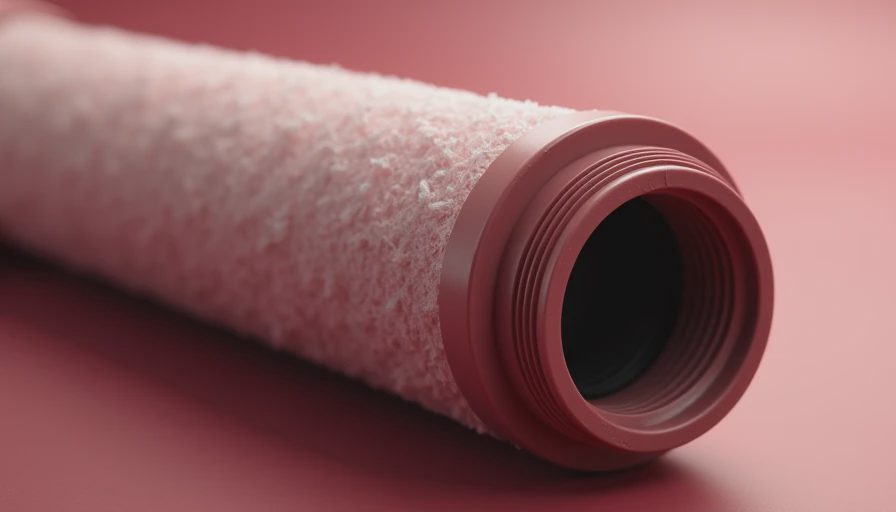
Most refrigerator and countertop pitcher cartridges are rated for roughly two to six months, though the printed gallon limit matters just as much. Under-sink carbon filters commonly last six to twelve months. Reverse osmosis prefilters often need attention every six to twelve months, while the RO membrane can last two to five years when the prefilters are changed on schedule. Sediment-heavy water shortens those intervals quickly.
Read the manual for your exact model instead of buying by appearance. Brita, PUR, Samsung, LG, Aquasana, 3M, Culligan, and Waterdrop all sell filters with different connection systems and performance claims. Even within one brand, a refrigerator cartridge may not fit another refrigerator series. Search the model number printed on the filter housing, appliance door, or owner's manual.
A filter indicator is helpful but not magical. Some timers count months from installation; others estimate use based on dispenser activity. Resetting the light does not refresh the cartridge. If your household uses much more water than the average assumed by the device, replace it earlier.
Choosing the right cartridge
Start with the contaminant you actually want reduced. Activated carbon is commonly used for chlorine, odor, and taste. A certified lead-reduction filter is the more sensible choice if lead is a concern. Reverse osmosis can reduce many dissolved contaminants, but it wastes some water during production and needs more maintenance than a simple carbon system.
Look for independent certification marks rather than vague phrases such as “advanced purification.” NSF/ANSI 42 generally relates to aesthetic effects such as chlorine taste and odor. NSF/ANSI 53 covers specific health-effect claims, such as lead reduction, when the product is certified for that claim. NSF/ANSI 58 is associated with reverse osmosis systems. Certification does not mean a cartridge removes everything; check the performance data sheet for the exact claim.
Generic filters can cost $10 to $25, while branded refrigerator or under-sink cartridges often run $30 to $70. The cheapest option is not automatically a bargain if it leaks, fits poorly, or lacks the reduction claim you need. A $20 cartridge that lasts six months is less expensive than a $45 cartridge changed every three months, but only if both deliver the performance your household requires.
The clean way to do a water filter replacement
First, shut off the filter valve or the refrigerator water supply. Open the dispenser briefly to release pressure, then place a towel beneath the housing. Twist out the old cartridge according to the markings; forcing it can crack plastic threads or damage the O-ring.
Inspect the seal before installing the new filter. Wipe the contact area with a clean, damp cloth, and replace a stretched or nicked O-ring instead of trying to rescue it with grease or tape. Push or twist the new cartridge fully into place. If the filter uses a bypass plug, do not discard that part; you may need it when removing the system or troubleshooting flow.
Flush the new cartridge for the volume listed in the manual. That may be several gallons for a carbon filter, and the first water can look gray from harmless carbon fines. I use a marked pitcher so I know when the flush is complete rather than guessing from color alone. Check underneath the cabinet after five minutes, then again later the same day.
Mistakes that shorten filter life
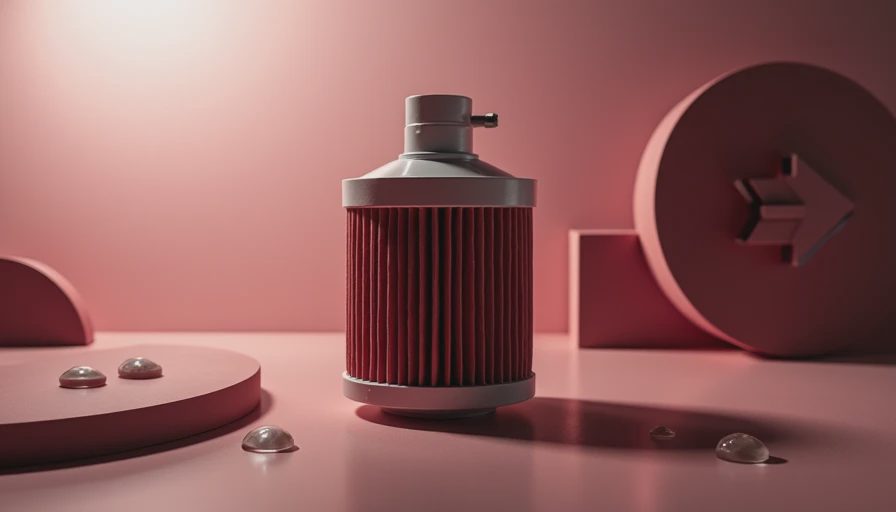
The biggest mistake is buying based only on size. Two cartridges can look identical while having different media, connection designs, or certified claims. Another is storing a replacement filter loose in a hot garage for months. Follow the packaging instructions and keep it sealed until installation.
People also forget the prefilter in reverse osmosis systems. A neglected sediment or carbon stage can reduce water production and expose the membrane to chlorine, potentially turning a manageable maintenance cost into a much more expensive repair. Do not use soap inside a drinking-water housing unless the manufacturer specifically directs you to; residue can affect taste.
Finally, do not let a filter become a substitute for testing. If you use private well water, notice a sudden change, or have an older home with questionable plumbing, a certified water test is smarter than guessing from taste. A cartridge can improve water without correcting every underlying problem.
A practical replacement schedule
For a pitcher used by one or two people, mark the installation date on the lid and set a five-month reminder. For a refrigerator used heavily by a family, begin with the manufacturer's gallon rating and check taste and flow monthly. Under-sink carbon systems deserve a dated log because they are hidden and easy to forget. Reverse osmosis owners should record each prefilter change and monitor production time.
My preferred water filter replacement routine is deliberately boring: buy the correct certified cartridge, write the date on it, flush it properly, inspect for leaks, and set the next reminder before closing the cabinet. That routine beats waiting for bad taste or a soaked shelf. If you are comparing systems, count the annual cartridge cost, not just the price of the housing. A $150 setup with $80 yearly filters may be a better deal than a $60 unit requiring $180 in cartridges.
Good water filtration is not about collecting gadgets. It is about matching the filter to the water problem, replacing it before performance collapses, and verifying that the system remains dry and dependable. Handle water filter replacement that way, and you get cleaner-tasting water without paying for promises the cartridge cannot support.