A dyson air purifier filter is not a glamorous purchase, but it is the part that decides whether your machine is actually cleaning the room or simply moving air around. After testing more than 150 air and water appliances in my Miami home, I have learned that replacement filters deserve more attention than the glowing display and futuristic remote. Salt air, high humidity, construction dust, and regular indoor cooking are a rough combination for any purifier.
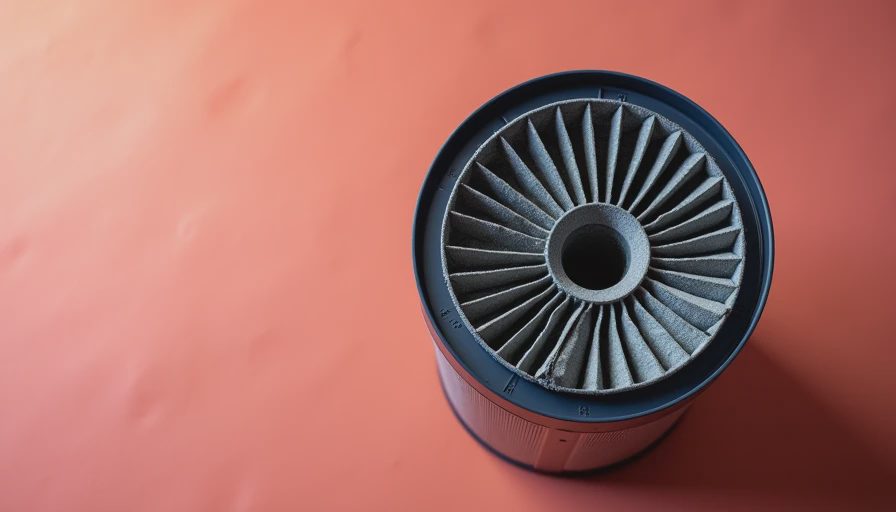
The short version is simple: buy the filter made for your exact Dyson model, replace it on the schedule Dyson recommends, and do not assume a washable pre-filter means the main filter can be rinsed. Most Dyson purifiers use a sealed combination filter with a HEPA-style particle layer and activated carbon for odors. Once that media is loaded, washing it will not restore its performance.
Which Dyson filter fits your purifier?
Dyson has released several families of purifiers, and their filters are not universally interchangeable. A filter for a TP07 is not automatically correct for a TP04, HP09, or Big+Quiet model. The model number is usually printed on the purifier itself, in the app, or on the original packaging. Read that number before shopping; “fits Dyson” in a marketplace title is not enough.
Common examples include the cylindrical filters used in the TP01, TP02, TP04, and TP07 families, while hot-and-cool models such as the HP04 and HP09 use their own compatible replacement designs. The Purifier Cool Formaldehyde and newer Big+Quiet machines also require model-specific parts. The safest buying path is Dyson’s replacement-parts page or a reputable retailer that clearly lists the exact model numbers.
A genuine dyson air purifier filter often costs roughly $50 to $90, depending on the machine and whether it is a single filter or a multipack. That is not cheap, but it is less expensive than replacing an entire purifier because a bargain filter restricts airflow or causes persistent odor. Before paying, compare the product photographs, dimensions, model list, and return policy.
Genuine filters versus third-party replacements
Third-party filters are not automatically useless. Some fit well, seal properly, and use a reasonable amount of particle media. The problem is consistency. I have seen replacement filters with loose end caps, thin carbon layers, and gaskets that leave visible gaps around the housing. A purifier can still sound normal while allowing unfiltered air to bypass the media.
That bypass issue matters more than a dramatic claim about “99.99 percent purification.” A filter works as part of a sealed airflow path. If air slips around the edge, the marketing number on the box becomes irrelevant. On my bench, I pay attention to particle readings before and after filtration, fan speed, pressure-related airflow changes, and whether the filter sits flush in the housing.
For a bedroom, nursery, or home with a person who reacts strongly to dust, I usually favor the genuine dyson air purifier filter unless a third-party replacement has clear independent testing and a strong return policy. For a less demanding room, a well-reviewed compatible filter can be a reasonable way to reduce ownership costs. Just avoid listings that do not identify the exact Dyson models or show the sealing material.
How often should you replace it?
Dyson commonly recommends replacing its purifier filter about every 12 months, but that is a usage estimate rather than a universal deadline. A lightly used purifier in a clean bedroom may remain serviceable longer than one running all day beside a renovation project. In Miami, I also pay attention to humidity because damp conditions can encourage stale smells when a filter is already carrying a heavy odor load.
The machine or MyDyson app may display a replacement alert based on operating time and estimated filter loading. Treat that alert as useful, not as a laboratory measurement. Replace sooner if airflow feels weaker, the purifier runs loudly at the same setting, odors linger, or the filter smells dusty when the unit starts. A visible gray surface is not a precise test, but it is a good reason to inspect the filter rather than ignore it.
Do not wait for a bad smell if the purifier sits near a litter box, kitchen, fireplace, or balcony door. Smoke and cooking compounds can exhaust activated carbon well before the particle layer looks dramatic. A dyson air purifier filter that has captured months of smoke can keep releasing an unpleasant odor whenever the fan warms up.
Cleaning the purifier without damaging the filter
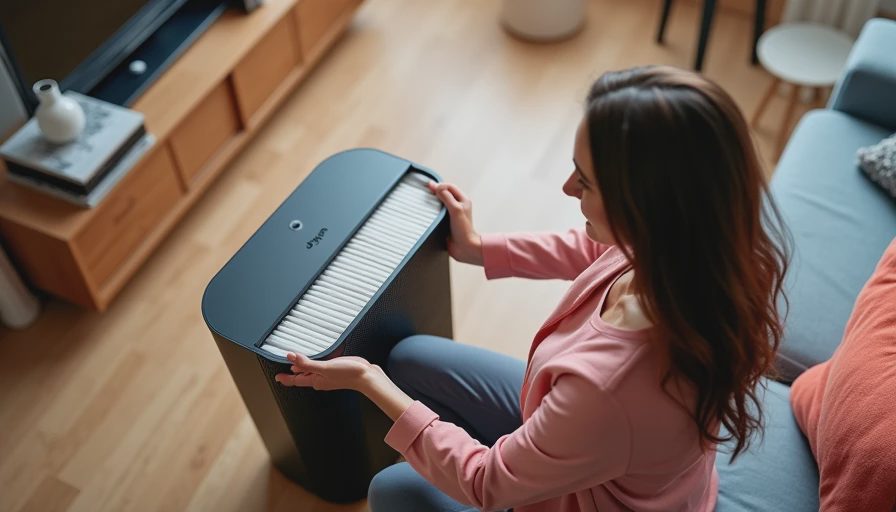
Turn the machine off and unplug it before opening the housing. Wipe the exterior, sensor openings, and remote with a dry or slightly damp cloth. Follow the manual for your model when removing the filter, and avoid spraying cleaner into the unit. Dust around the intake can be removed carefully with a soft brush or vacuum attachment, keeping the nozzle from forcing debris deeper inside.
The main sealed filter is generally not washable. Do not soak it, rinse it under a faucet, or use a hair dryer to speed up drying. Water can damage the filter media and leave moisture trapped where you cannot see it. If your model has a separate washable pre-filter, wash only that component when the instructions specifically allow it, then let it dry completely before reinstalling it.
After installing a replacement, reset the filter-life indicator through the purifier controls or the MyDyson app. A reset tells the machine that a new filter is present; it does not improve filtration by itself. Press the filter firmly into place and check that the cover closes evenly on every side.
What a good replacement should feel like
Before running the purifier, inspect the new dyson air purifier filter. The pleated media should look even, the frame should not be crushed, and the gasket should form a continuous seal. There should be no strong chemical odor beyond the brief packaging smell common with activated carbon. If the unit whistles, rattles, or suddenly produces much less air after installation, stop and check the fit.
I also compare performance before and after replacement. In a typical living room, a dirty filter can make the purifier sound strained at higher speeds and reduce the amount of air coming through the outlet. A new, correctly fitted filter should restore normal airflow, although it will not make a small purifier clean a huge open-plan space instantly. Placement still matters: leave clearance around the intake and avoid hiding the machine behind a sofa.
Is replacing the filter worth the cost?
If the purifier is otherwise working, replacement is usually the sensible repair. Spending $60 on a new filter is easier to justify when the machine has a healthy fan, responsive sensors, and no electrical fault. Replacing a $500 purifier solely because its filter is dirty is a poor use of money.
On the other hand, do not keep buying filters for a machine with a failing motor, cracked housing, or unreliable controls. Filter costs add up, especially for a purifier that operates continuously. A dyson air purifier filter can refresh the filtration stage, but it cannot repair a worn fan or make an undersized unit suitable for a large home.
My buying advice is straightforward: confirm the model number, choose a properly sealed replacement, and calculate the annual filter cost before purchasing the purifier. If the price fits your budget, genuine parts offer the least uncertainty. If you choose an alternative, inspect the construction and buy from a seller that accepts returns. That small amount of homework prevents the most common air-cleaner mistake: paying for a new filter that never seals well enough to do its job.