A furnace filter is one of the least glamorous pieces of equipment in your home, but it has a major effect on dust, airflow, heating costs, and indoor air quality. I have opened enough grimy return-air cabinets in Miami apartments to know that many homeowners either forget the filter entirely or buy the most expensive box on the shelf without checking whether their HVAC system can handle it. The right choice is not automatically the thickest or priciest option.
Your filter sits in the return-air path, where it catches particles before air moves through the furnace, air handler, or central air conditioner. That protects the blower and indoor coil while removing some dust and airborne debris from circulation. It will not solve every air quality problem, and it cannot replace ventilation, cleaning, or a properly sized air purifier. Still, a correctly fitted filter is the foundation of a cleaner HVAC system.
How to choose the right furnace filter
Start with the size printed on the existing frame. Common dimensions include 16 by 20 inches, 16 by 25 inches, and 20 by 25 inches, but the actual measured size can differ slightly from the label. A filter that rattles, bows, or leaves an open gap allows unfiltered air to bypass the media. Measure length, width, and depth, then compare those measurements with the equipment manual if the old label is missing.
Depth matters because a 1-inch furnace filter and a 4-inch media filter do not behave the same way. A 4-inch filter generally provides more surface area, so it can capture particles while creating less resistance than an overly restrictive 1-inch design. However, you cannot simply slide a thicker filter into a narrow slot. The cabinet must be built for it, and the access door must close without crushing the frame.
For most homes, a pleated filter is a practical starting point. It offers more particle capture than a flat fiberglass filter and usually costs only a few dollars more per replacement. Brands such as 3M Filtrete, Nordic Pure, and Aprilaire sell widely available options, but the brand name matters less than the fit, rating, and replacement schedule.

What MERV ratings actually tell you
MERV stands for Minimum Efficiency Reporting Values, a rating system for how effectively a filter captures particles across a range of sizes. A low-rated filter can protect equipment while catching larger dust. Higher ratings generally capture more smaller particles, including some pollen and fine dust, but they can also restrict airflow.
A MERV 8 furnace filter is a sensible baseline for many residential systems. MERV 11 or MERV 13 can offer stronger particle filtration, particularly in homes with pets, renovations, or allergy concerns. That does not mean MERV 13 is always the best purchase. If the blower struggles, rooms feel weakly ventilated, or the system runs longer than normal, the added resistance may be doing more harm than the extra filtration is worth.
Before moving to MERV 11 or MERV 13, check the HVAC manufacturer guidance or ask a qualified technician to measure system airflow and static pressure. A high rating in the wrong cabinet is a classic example of shopping by marketing instead of performance. I would rather see a properly sealed MERV 8 filter changed on schedule than a clogged MERV 13 filter neglected for six months.
When should you replace a furnace filter?
There is no universal calendar date because homes produce different amounts of dust. A lightly occupied home without pets might go two or three months between changes. A home with two dogs, construction dust, smokers, or frequent cooking may need a new furnace filter every 30 days. A 1-inch filter usually needs more frequent attention than a deeper media filter.
Inspect the filter monthly for the first few cycles. Hold it near a bright window and look at the pleats. Light gray dust is normal; a dark, matted surface or visible buildup means the filter is overdue. Put the installation date on the cardboard edge with a marker. Smart-home users can also create a recurring reminder in Google Calendar, Alexa, or a thermostat app rather than trusting memory.
A dirty filter can reduce airflow and make the system work harder. In cooling season, severe restriction can contribute to a frozen indoor coil. In heating season, an overloaded system may cycle on a safety limit. Neither problem is fixed by turning the thermostat down or up. Replacing the filter is inexpensive compared with a service call, though persistent airflow problems require professional diagnosis.
Can a furnace filter help allergies?
It can reduce some airborne particles that pass through the central HVAC system, but expectations matter. A furnace filter only cleans air while the blower is operating, and it only affects air that reaches the return grille. Dust sitting on furniture, bedding, rugs, and curtains remains in the room until it is disturbed or cleaned.
For seasonal pollen, pet dander, and ordinary household dust, a properly fitted pleated filter can be useful. Seal gaps around the filter rack, vacuum return grilles, and wash bedding regularly. If someone in the home is sensitive to particles, a portable purifier with a true HEPA filter in the bedroom often produces a more direct benefit because it runs continuously near the breathing zone.
Do not confuse particle filtration with odor removal. A standard pleated filter catches particles but does very little for cooking smells, smoke odor, or volatile organic compounds. Activated carbon can help with certain odors, although a thin carbon-coated furnace filter contains far less carbon than a dedicated purifier. If a product promises to eliminate every odor using a nearly paper-thin filter, I would keep my wallet in my pocket.
Furnace filter versus a portable air purifier
These devices do different jobs. The HVAC filter protects the equipment and treats air moving through the duct system. A portable purifier recirculates air in one room, often using a larger particle filter and a fan designed for continuous cleaning. If your priority is whole-home dust control, start with the HVAC filter. If your priority is sleeping with less airborne dust in a 150-square-foot bedroom, a correctly sized purifier is usually the better tool.
Noise and operating cost deserve attention. A purifier advertised as whisper quiet may only achieve that sound level on its lowest fan setting, where its clean-air delivery is much lower. I test units with a sound meter and particle counter, because a blue LED and a dramatic claim do not prove anything. For bedrooms, look for a sleep setting that still moves meaningful air, and disable bright indicator lights if possible.
A practical buying checklist
Buy the exact size your system accepts, not a similar-looking size. Choose a pleated MERV 8 option unless your equipment supports a higher rating and your household has a clear reason to use it. Compare replacement cost, because a $15 filter changed monthly costs more over a year than a $30 deep filter changed every three months. Avoid washable filters unless you are willing to clean and dry them thoroughly; damp media can create an unpleasant environment inside the return path.
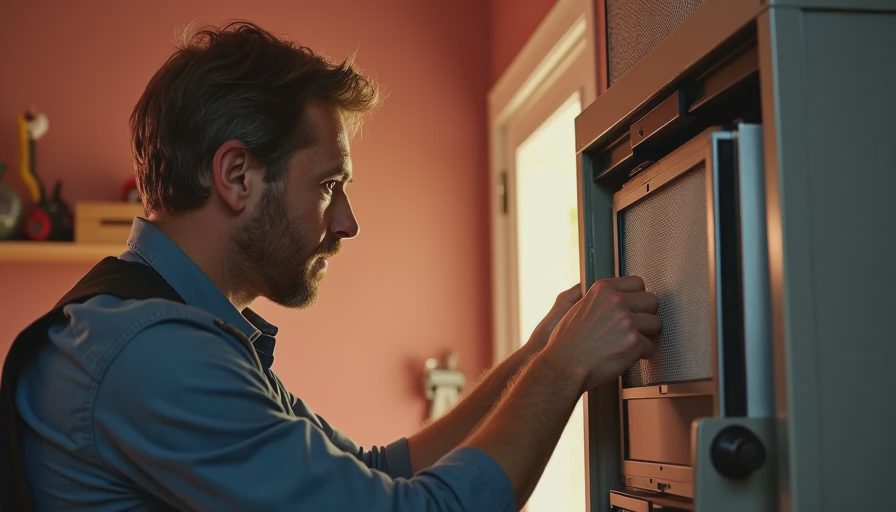
When installing the new furnace filter, switch off the system if the access location is awkward, remove the old filter, and check the airflow arrow. The arrow should point toward the furnace or air handler, not toward the return grille. Make sure the frame sits flat and that the door closes securely. Write down the date and set a reminder for the next inspection.
The best furnace filter is the one that fits, supports adequate airflow, and gets replaced before it becomes a gray blanket of dust. Spend money where it changes the result: a sealed filter rack, sensible MERV rating, and reliable replacement habit. Once those basics are handled, use a portable purifier for room-specific problems instead of expecting one disposable filter to fix every issue in the house.