If you have ever wiped a shelf in the morning and found a gray film there by evening, you have probably wondered: do air purifiers eliminate dust? The honest answer is no, not completely. A good purifier can capture airborne dust before it settles, but it cannot vacuum your floors, clean fabric, or stop particles from entering through doors and windows. In my Miami testing room, the difference is real, but it is often misunderstood.
The useful distinction is between airborne particles and settled dust. Once dust lands on a dresser, rug, or ceiling fan, the purifier cannot reach it unless movement sends it back into the air. A machine can reduce the amount circulating through the room, which means less material settling over time, but regular cleaning still matters.
What a purifier can capture
Most effective dust-focused air purifiers use a mechanical filter, preferably a true HEPA filter or a clearly specified equivalent. These filters force air through a dense fiber mat that traps particles such as household dust, pollen, fibers, and some pet dander. The filter does not need to attract dust like a magnet. Airflow and the filter's layered structure do the work.
When readers ask do air purifiers eliminate dust, I usually explain it with a simple test. I place a particle counter several feet from the machine, record the baseline, then run the purifier at a high setting with a controlled particle source nearby. A capable unit can push particle readings down substantially in a closed room. That result means fewer particles remain suspended, not that every dusty surface becomes clean.
The fan is just as important as the filter. A small purifier with an impressive HEPA label may clean slowly if it moves very little air. For a bedroom around 150 square feet, I generally look for a unit with enough airflow to cycle room air several times per hour. Larger living rooms need more capacity or multiple machines.

Why settled dust remains
Dust is a mixture, not one single contaminant. It can include skin flakes, textile fibers, soil tracked indoors, pollen, and tiny fragments from furniture or building materials. Heavy particles fall quickly onto surfaces. Lighter particles can remain airborne longer, especially when a fan, HVAC system, pet, or person stirs them up.
That is why do air purifiers eliminate dust has a limited answer. A purifier works during the airborne phase. It will not pull a thick layer from a bookshelf, and it will not remove dust trapped deep inside carpet. When I test a unit in a room with rugs, the floor can still need vacuuming even when the particle counter shows cleaner air near the purifier.
Placement changes the result. Keep the intake several inches from walls, curtains, and furniture. Put the machine where people spend time, such as beside a bed or near a desk, rather than hiding it behind a sofa. If the room has a forced-air return, avoid blocking it. Good circulation lets the purifier see more of the room's air.
HEPA filters, washable filters, and marketing claims
A true HEPA filter is the safest starting point for dust removal, but the rest of the design matters. Look for a replaceable filter, a strong clean-air delivery rating, and a replacement cost you can afford. A $120 purifier that needs a $60 filter every six months can cost more than a $250 model with a larger, longer-lasting cartridge.
Washable prefilters are useful because they catch hair and larger lint before those particles clog the main filter. They do not replace the HEPA stage. Electrostatic or ionizing features can sound impressive, but they are not necessary for basic dust control. Some ionizers also produce ozone, so I prefer a straightforward mechanical design unless the manufacturer provides clear safety information.
A carbon layer helps with odors and some gases, but a thin black sheet is not a dust filter. When do air purifiers eliminate dust comes up in shopping conversations, filter construction and airflow deserve more attention than an app, color-changing light, or oversized room-size claim.
How much difference should you expect?
In a closed bedroom, a properly sized purifier can make the air feel less stale and reduce airborne particle readings within an hour or two on a higher fan setting. You may notice less dust accumulating on a nightstand after several days, especially if the previous air circulation was poor. That does not mean every home will see the same result. Open windows, active pets, construction, smoking, and a leaky HVAC system can overwhelm a small machine.
For a practical example, imagine a 300-square-foot living room with one shedding dog and a fabric sofa. A compact desktop purifier may clean the air directly around the couch but struggle with the entire room. A larger Coway, Blueair, Levoit, or Winix model with suitable airflow is more sensible. Brand name alone is not the deciding factor; the specific model's airflow, filter price, noise, and controls are what matter.
If do air purifiers eliminate dust is your buying question, think in terms of reduction rather than elimination. A purifier can lower airborne dust exposure and slow resettling. It cannot replace a vacuum with a sealed system, a microfiber cloth, or a washable doormat at the entrance.
A cleaning routine that actually works
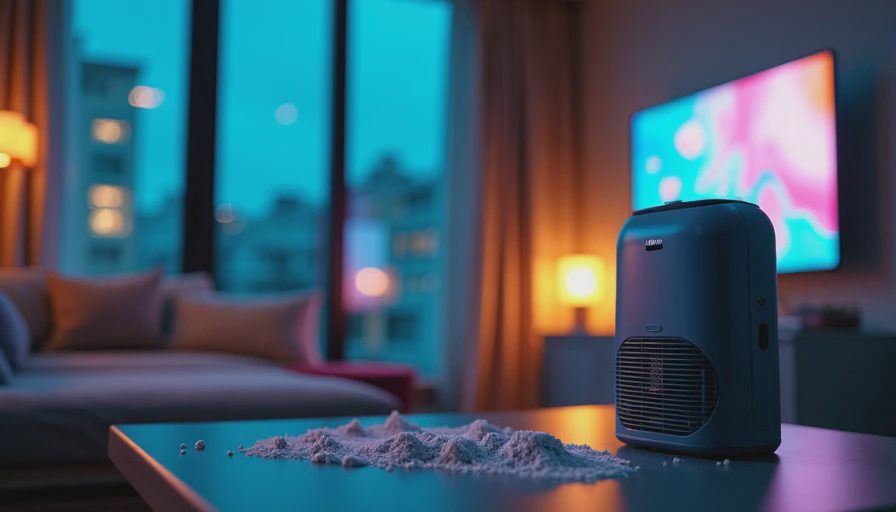
Run the purifier continuously at a quiet or medium setting rather than using it for ten minutes before bed. Continuous operation gives the filter more chances to catch particles. Use a higher setting after vacuuming, cooking, opening windows, or changing bedding, then return to a quieter speed.
Clean the washable prefilter according to the manual, often every few weeks in a dusty home. Let it dry completely before reinstalling it. Never wash a HEPA cartridge unless the manufacturer specifically says it is washable. Water can damage the filter media and create a moisture problem inside the cabinet.
Vacuum floors and upholstery with a sealed vacuum, wipe hard surfaces with a slightly damp microfiber cloth, and wash bedding regularly. Replace the main filter when it is visibly loaded, airflow drops, an indicator turns on, or the manual's interval arrives. In humid Miami conditions, I inspect filters more often because moisture and dust can combine into a stubborn mat.
The bottom line for dust control
So, do air purifiers eliminate dust? No, but the better ones remove a meaningful portion of dust while it is still floating through the room. That can support cleaner-feeling air, reduce airborne allergens, and slow the film that settles on furniture. Results depend on room size, airflow, filter quality, placement, and how much new dust the room generates.
Choose a properly sized mechanical purifier, keep doors and windows reasonably controlled while it runs, and budget for replacement filters. Pair it with sensible cleaning instead of expecting a glowing display to do everything. Do air purifiers eliminate dust completely? They do not. Do air purifiers eliminate dust from the air well enough to be worthwhile? With the right model and realistic expectations, yes. That is the difference between buying a useful appliance and buying a fan with an LED ring.