The best water filters do not win because their boxes use the biggest words. They win because they remove a specific contaminant, fit your kitchen, and continue working after the novelty wears off. I have tested water appliances in South Florida, where chlorine taste, hard-water scale, old plumbing, and humid storage conditions can expose weak designs quickly. The right choice depends on what is in your water and how much maintenance you will actually tolerate.
Start with the contaminant, not the marketing
Before comparing the best water filters, identify the problem you want to solve. A basic activated carbon pitcher can improve chlorine taste and odor, while some cartridges also reduce lead, mercury, certain pesticides, and other listed contaminants. That does not mean every carbon filter handles every substance. The certification and performance data on the package matter more than a claim such as “advanced purification.”
If your concern is bacteria or viruses, a standard refrigerator filter is not the same tool as a purifier or ultraviolet system. If you are worried about PFAS, arsenic, nitrates, or lead, look for a model specifically tested and certified for that contaminant. The Environmental Protection Agency’s drinking water resources and your local water quality report are useful starting points, but a certified home water test can reveal issues from private wells or aging household pipes.
I also use a simple taste-and-maintenance test. Pour unfiltered tap water into a clean glass, then compare it with filtered water after chilling both for several hours. Note chlorine smell, metallic flavor, cloudiness, and any sediment. A handheld TDS meter can show dissolved solids, but it cannot prove that water is safe. A lower TDS number is not automatically a better result.
Pitchers: affordable, convenient, and easy to neglect
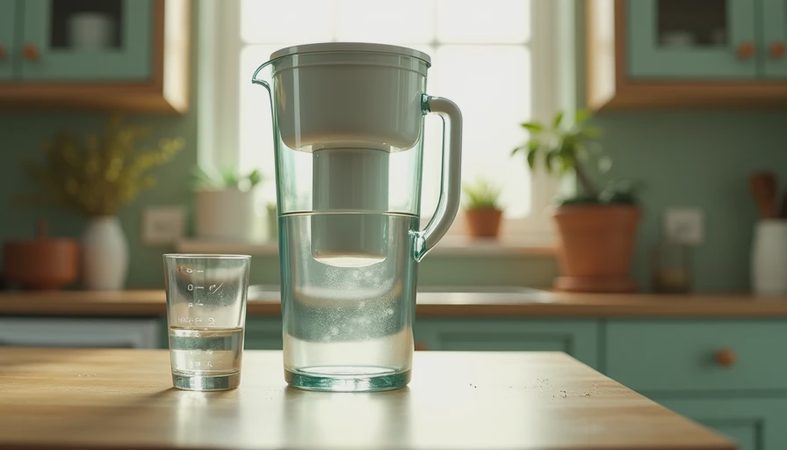
Pitchers remain among the best water filters for renters, small kitchens, and anyone who primarily wants better-tasting water. Models from Brita, PUR, and ZeroWater take little space and usually cost less than $20 to $50 upfront. Replacement cartridges commonly run about $5 to $20 each, depending on the model and multipack pricing.
The tradeoff is capacity and discipline. A pitcher may hold enough water for one person, but a family can empty it several times daily. If the cartridge is rated for roughly 40 gallons and your household uses two gallons of filtered drinking and cooking water each day, replacement arrives quickly. Waiting until the water tastes strange is not a maintenance plan; performance can decline before the warning light or flavor makes that obvious.
ZeroWater-style systems can reduce dissolved solids more aggressively than ordinary carbon pitchers, but their filters may exhaust quickly in mineral-heavy water. That can make the ongoing cost much higher than the shelf price suggests. Brita and PUR are often more practical for chlorine taste, while a more specialized cartridge makes sense when a test identifies a particular contaminant.
Under-sink filters deliver the best daily experience
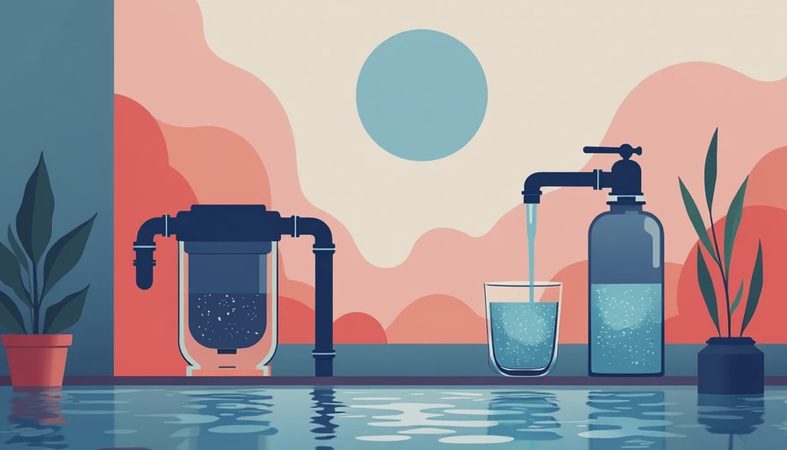
For many homeowners, under-sink systems are the best water filters because they provide filtered water at the tap without filling a pitcher every morning. A multi-stage system may combine sediment filtration, activated carbon, and a membrane. Aquasana, 3M, Waterdrop, and iSpring offer different designs, but compare the exact cartridge and certification rather than relying on the brand name alone.
Expect an initial cost from about $100 for a straightforward carbon system to $500 or more for reverse osmosis equipment with a dedicated faucet. Replacement filters may cost $50 to $150 per year. Reverse osmosis can reduce a wider range of dissolved contaminants, but it typically sends some water down the drain and needs more space, filter changes, and occasional tank or membrane attention.
Measure the cabinet before ordering. You need room for the housing, tubing, shutoff valve, and replacement access. A system that technically fits but requires removing a trash bin every six months will eventually become an expensive decoration. Installation is often manageable for a careful DIY homeowner, although a plumber is sensible if the shutoff valve is corroded or the sink plumbing is unusual.

Whole-house systems solve a different problem
Whole-house filters are among the best water filters when the issue affects showers, laundry, fixtures, and every faucet, not just drinking water. They can reduce sediment, chlorine, and odor throughout the home. That may help with dry-feeling showers, stained fixtures, or a noticeable pool-like smell, although a whole-house cartridge is not automatically a substitute for drinking-water filtration.
Prices vary widely. A basic sediment housing may cost under $200, while larger carbon tanks, installation, and prefilters can push the project beyond $1,000. Replacement media and labor add to ownership cost. Flow rate is critical: a restrictive system can cause weak showers or slow faucets when several fixtures run together.
Whole-house equipment also needs a realistic installation location. The filter must be placed on the incoming water line, with enough clearance for cartridge changes and a drain or bypass arrangement where required. Renters usually get better value from a faucet, pitcher, or countertop system unless the property owner approves a permanent installation.
How I compare the best water filters
I score each system across five practical categories: contaminant claim, flow or filling speed, taste improvement, maintenance, and total cost over two years. A $35 pitcher that needs frequent cartridges can cost more than expected, while a $180 under-sink unit may be economical if its annual filters are inexpensive.
I also inspect the small details that product photos hide. Does the cartridge lock securely? Is the replacement date easy to see? Does the faucet drip after installation? Does the reservoir have a narrow opening that is difficult to clean? In humid Miami, I pay close attention to standing water and condensation because neglected containers can develop unpleasant odors even when the filter media itself is performing correctly.
Do not treat a filter’s “life” rating as a universal promise. Capacity depends on incoming water quality and household use. A cartridge rated for 100 gallons can reach that limit sooner in a busy home or when the source water contains significant sediment. Write the installation date on the cartridge and keep a spare available.
A practical buying checklist
The best water filters for your home should pass this short checklist:
- Identify whether you need taste improvement, sediment removal, contaminant reduction, or broader treatment.
- Check the exact certification and contaminant claim for the model you are considering.
- Calculate two years of cartridges, not just the purchase price.
- Measure counter, cabinet, or utility-room space before ordering.
- Confirm expected flow rate if the system serves multiple fixtures.
- Set a replacement reminder based on gallons, months, or both.
- Keep filtered water in a clean, covered container and wash reusable reservoirs regularly.
For a renter with chlorine taste, I would start with a tested pitcher from Brita or PUR and track cartridge cost. For a household tired of constant refilling, an under-sink carbon system is usually the more comfortable upgrade. For a home with a documented contaminant or private-well concern, choose treatment around the test result rather than buying the most expensive box.
That is the real answer behind the best water filters: the winner is not the gadget with the longest feature list. It is the system that targets your water problem, fits your space, and gets maintained on schedule. Compare certified claims, replacement costs, and installation demands before checkout, and your tap will taste better without turning the kitchen cabinet into a science project.