Will an air purifier help with dust? Yes, but not in the magical, dust-free way a glossy product page might suggest. A properly sized purifier with a real particle filter can capture airborne dust, including tiny particles that remain suspended after cleaning, walking across a rug, or changing your bedding. It cannot pull every settled crumb from your baseboards or replace a vacuum.
I test air cleaners in Miami, where humidity, open windows, construction debris, and constantly running air conditioning create a particularly unforgiving dust routine. The useful question is not whether a purifier can catch dust. It is whether the machine moves enough filtered air through your room to make a noticeable difference without becoming an expensive fan with an LED ring.
What a purifier actually does to dust
Household dust is a mixture of skin flakes, fabric fibers, soil, pollen, pet dander, and other debris. Larger pieces settle quickly on shelves and floors. Smaller particles can float longer, especially when air movement from an HVAC system, ceiling fan, or foot traffic keeps them circulating.
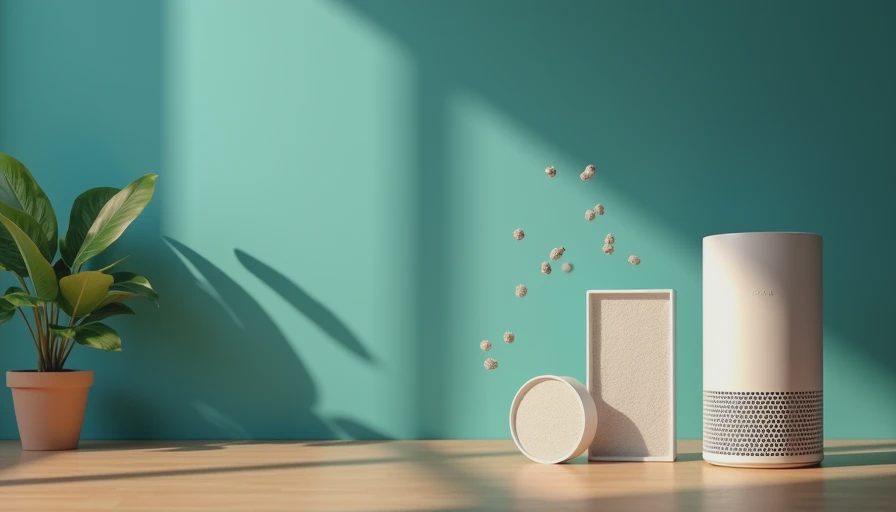
A purifier draws room air through a filter. A HEPA filter is designed to capture very small airborne particles through several mechanisms, including interception and diffusion. In practical terms, a unit with a substantial HEPA filter can reduce the amount of dust drifting through the room. It does not make the dust disappear; it catches what reaches the intake.
The biggest factor is clean air delivery rate, often listed as CADR. A compact desktop machine might process enough air for a small office but struggle in a 400-square-foot living room. A stronger unit, such as the Coway Airmega 240 or Blueair Blue Pure 211i Max, can circulate substantially more air and usually produces a clearer result in open spaces. Brand names matter less than filter area, airflow, noise, and the room rating.
In my testing, the visible difference often appears first on dark furniture. After several days of continuous operation, there is less fine film on nearby surfaces, but the result is strongest when the purifier runs before and after activities that disturb dust.
Will an air purifier help with dust on furniture and floors?
Will an air purifier help with dust that has already landed on your furniture? No. Once particles settle, the purifier cannot reach backward in time and lift them from a bookshelf. That is where a microfiber cloth, vacuum, or damp mop still earns its place.
The purifier helps with the part of the cycle you cannot see. Dust from a sofa, rug, mattress, or floor can become airborne again when someone sits down, walks through the room, or turns on a fan. Capturing that airborne material reduces the amount available to settle later. A unit placed near the center of the room generally mixes air better, while positioning it beside a dusty litter area or entryway can improve local capture.
Do not wedge the purifier behind a couch or against a curtain. Most machines need several inches of clearance around their intake and exhaust. If the airflow is blocked, the motor may run loudly while cleaning very little air. Run the unit on a higher setting during cleaning, then use a quieter medium or low setting afterward. Auto mode is convenient, but some particle sensors react slowly to ordinary household dust.
Choosing a purifier that can handle dust
Start with the room size, then look at CADR rather than trusting a dramatic square-footage claim. Manufacturers sometimes list a large maximum area based on one air change per hour, which is not a demanding cleaning standard. For a bedroom around 150 to 250 square feet, a purifier with a smoke CADR near 150 can be a sensible starting point. Larger rooms need more airflow, or multiple units placed strategically.
The filter matters just as much. Look for a sealed design with a replaceable particle filter and clear replacement pricing. A replacement filter costing $40 to $90 every six months can be reasonable; a proprietary cartridge costing $150 twice a year changes the ownership math quickly. Avoid products that call a thin, washable mesh panel a HEPA substitute. That prefilter can catch hair and large lint, but it is not the main fine-particle filter.
If odors are also a problem, activated carbon can help with some gases and smells. A lightweight carbon sheet is not the same as several pounds of carbon. For dust, prioritize airflow and particle filtration before paying extra for a token odor layer.
Will an air purifier help with dust allergies?
Will an air purifier help with dust-related allergies? It can reduce airborne allergens, particularly pet dander, pollen, and fine particles associated with household dust. That may make a bedroom or home office more comfortable, especially when the unit runs continuously. The benefit is less impressive if the room has thick carpet, uncovered bedding, a leaking HVAC filter, or visible moisture problems.
Dust mites deserve a separate explanation. Their waste particles often settle into mattresses, pillows, carpets, and upholstered furniture. A purifier can capture some of those particles after they become airborne, but it cannot clean a mattress. Wash bedding regularly using the hottest safe setting, use allergen-resistant covers, vacuum with a sealed system, and keep indoor humidity at a moderate level. In humid Miami homes, a dehumidifier can address a different part of the problem than an air cleaner.
Place the purifier in the bedroom if sleep is the priority. Keep it running for several hours before bedtime and overnight at a tolerable speed. A quiet machine that runs all night usually beats a powerful machine that gets switched off after ten minutes.
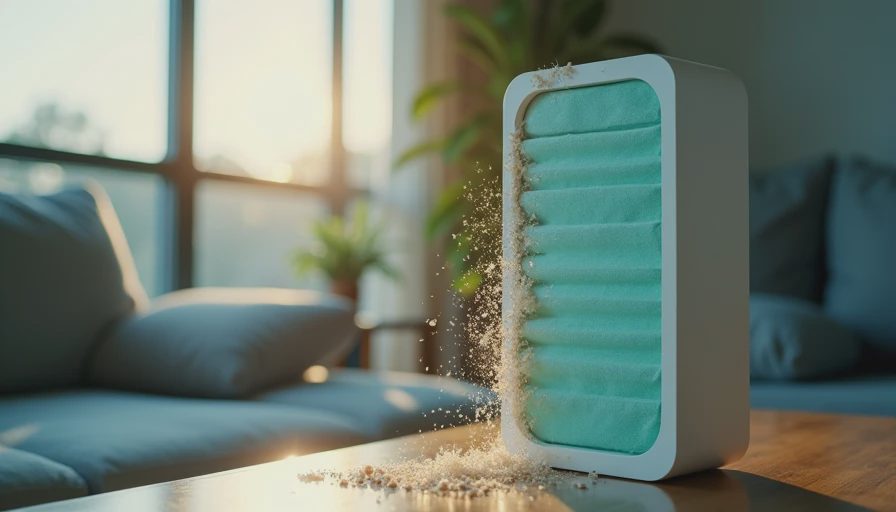
A practical dust-control routine
Will an air purifier help with dust more when it runs continuously? Usually, yes. Start by changing the central HVAC filter according to its condition and system guidance. A higher filtration rating is not automatically better if it restricts airflow or causes a residential system to struggle. Then vacuum floors and upholstery with slow passes, wipe hard surfaces from high to low, and wash or replace heavily used bedding.
After cleaning, operate the purifier on high for 30 to 60 minutes with doors and windows closed, assuming the room is safe and comfortable. Use a particle monitor if you have one, but do not chase every changing number. Watch for a sustained decline after cooking, cleaning, or foot traffic. My own testing shows that placement and runtime often produce a bigger improvement than switching between two similarly sized brands.
Clean the prefilter when it looks gray or furry. A clogged prefilter cuts airflow and forces the machine to work harder. Replace the main filter when the manufacturer recommends it, or sooner if airflow drops, the filter is visibly loaded, or the room has renovation dust or multiple pets.
When a purifier is not enough
Will an air purifier help with dust if dust keeps appearing every morning? It can help, but recurring heavy dust points to a source problem. Check window and door gaps, attic or crawl-space leaks, damaged ductwork, old carpet, construction nearby, and an HVAC filter that does not fit tightly. A purifier treats airborne particles; it does not repair the opening that keeps feeding them into the room.
For most homes, the best setup is simple: seal obvious gaps, maintain the HVAC system, vacuum with effective filtration, control humidity, and run a properly sized purifier every day. Expect cleaner air and slower dust buildup, not spotless shelves forever.
So, will an air purifier help with dust? Yes, when it has genuine particle filtration, enough airflow, and a realistic place in your cleaning routine. Compare CADR, filter costs, noise, and warranty before buying. If the cheapest unit has weak airflow and expensive filters, a slightly larger model from Coway, Winix, Levoit, or Blueair may deliver better value over several years.