The brita standard water filter is the kind of product that sits quietly in millions of refrigerators while newer pitchers arrive with Bluetooth apps, filter-life dashboards, and price tags north of $50. I tested the basic setup because cheap and useful is a combination worth protecting. The short version: it can noticeably improve taste and reduce certain common contaminants, but it is not a magic wand for unsafe water or every plumbing problem.
For this review, I focused on the standard Brita pitcher cartridge, everyday filling and pouring, taste changes, flow speed, and the practical question most shoppers actually have: does this filter earn space on a crowded kitchen counter?
What the Brita standard water filter actually does
The Brita standard water filter cartridge typically uses activated carbon and ion-exchange material. Carbon helps reduce chlorine taste and odor, while the ion-exchange portion is designed to reduce substances such as copper, mercury, and some dissolved metals when the cartridge is used as directed. Exact performance depends on the cartridge type, pitcher, water chemistry, and certification claims on the package.
That distinction matters. A filter that improves municipal tap water is not automatically a purifier. The standard cartridge is not intended to remove every contaminant, kill bacteria, or make questionable well water safe. If your water has a boil notice, unusual discoloration, fuel odor, or a known contamination issue, use the local utility guidance and choose treatment rated for that problem.
In normal city water, the improvement is easier to notice with your nose and palate than with a dramatic meter reading. Chlorine-heavy tap water tastes flatter and smells more like a swimming pool. After filtration, cold water is cleaner and less distracting, which is exactly the win most buyers want.
Taste, speed, and everyday handling
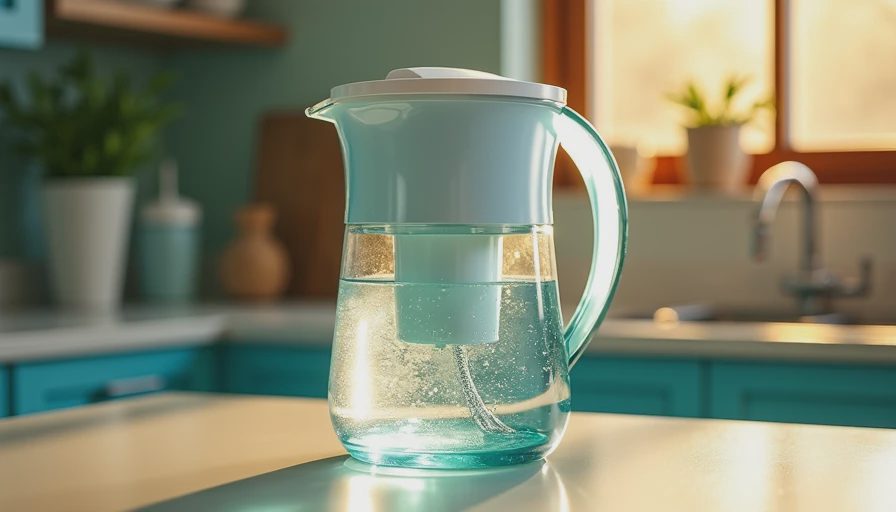
I tested the Brita standard water filter with cold tap water and compared it with water straight from the faucet. The first pour was slow, as expected, because new carbon media needs time to wet out. After a few fills, the flow became consistent. A full reservoir still takes long enough that impatient cooks will eventually start tapping their foot, but it is not an unreasonable wait for a pitcher kept in the refrigerator.
The taste change was clear in side-by-side glasses. The filtered sample had less chlorine bite and a softer finish. It did not taste like bottled spring water, and it did not remove every mineral note. That is a positive result: aggressive filtration can make water taste hollow, while this cartridge leaves enough character for coffee, ice, and drinking water.
The pitcher itself is more important than the marketing suggests. Measure the refrigerator shelf before ordering, especially if you have a narrow door bin. Keep the lid seated properly, pour slowly, and do not overfill the reservoir. A loose lid can shift when you tilt the pitcher, sending water down the outside instead of into the glass. That is not a filter failure; it is a small design annoyance that appears when people rush.
Replacement timing and real ownership cost
Brita generally recommends replacing a standard filter about every 40 gallons or roughly every two months, depending on use and the specific product instructions. A single person who drinks mostly coffee and bottled seltzer may reach the calendar limit first. A household of four can reach the gallon limit much sooner. If the flow slows sharply, taste returns, or the cartridge has been sitting unused for an extended period, replace it rather than trying to stretch the last few dollars.
The Brita standard water filter is inexpensive compared with a reverse-osmosis system, but recurring cost still deserves attention. Depending on pack size and retailer, replacement cartridges often work out to several dollars each. A household using six cartridges a year might spend roughly $30 to $50 annually, while heavier use can push that higher. Multipacks usually lower the per-filter price, and generic compatible cartridges can cost less, but I would compare certification details instead of choosing solely by the lowest listing.
For the cleanest routine, rinse the pitcher regularly with mild dish soap, keep filtered water refrigerated, and avoid storing a used cartridge dry for long periods. Do not put the pitcher in the dishwasher unless the manual specifically says it is dishwasher-safe. Replacing a scratched or cloudy pitcher is cheaper than dealing with a lid that no longer seals or a reservoir that constantly drips.

What it does not remove
The Brita standard water filter should not be your automatic answer to hard water, salt, nitrates, bacteria, or a private-well problem. Carbon filtration can improve odor without addressing the underlying issue. It also will not soften water in the same way a dedicated water softener does, so white scale may continue appearing on faucets and shower doors.
If your home has old plumbing, request a water quality report from the utility or use a reputable laboratory test. A basic at-home strip can provide clues, but it is not a complete diagnosis. Test results let you match equipment to the problem instead of buying a pitcher because the box has a long list of contaminants.
The Brita standard water filter makes the most sense when your source water is already considered potable and the main complaints are chlorine taste, odor, and selected dissolved metals. That is a narrower claim than “clean water,” but it is also a more honest one.
Standard versus advanced cartridges
Brita sells several cartridge styles, and the names can create confusion. Standard cartridges are usually the lower-cost choice for routine taste improvement. Advanced or specialty cartridges may advertise longer life or reduction of additional contaminants. Those features can be worthwhile if they match a documented concern, but they do not automatically make the pitcher taste better.
Check the exact cartridge compatibility before buying. A standard pitcher may not accept every long-life or specialty filter, and the replacement schedule can differ. Compare the cost per gallon, not just the number of cartridges in the box. A six-pack priced at $25 is not necessarily a better deal than four cartridges priced at $18 if the rated capacities are different.
This is also where I would resist gadget creep. A filter-life indicator is convenient, but it does not measure your water chemistry. If the choice is between a basic pitcher plus timely replacements and a premium smart pitcher that you forget to clean, the basic setup wins on actual performance.
My buying recommendation
The Brita standard water filter earns a recommendation for renters, small households, office kitchens, and homeowners who want better-tasting municipal water without installing equipment. It is cheap to start, simple to operate, and easy to replace when a cartridge reaches its limit. The biggest improvement is sensory rather than theatrical: less chlorine smell, smoother taste, and water that is more pleasant to drink cold.
I would skip it for untreated well water, a known contamination concern, serious scale problems, or anyone expecting one pitcher to replace a whole-home treatment system. In those cases, spend the money on testing and a system designed for the contaminant involved.
For everyone else, buy the pitcher that fits your refrigerator, choose genuine or properly certified compatible cartridges, mark the replacement date on your calendar, and use the water every day. The Brita standard water filter is not exciting, but it does not need to be. It earns its counter space by solving a common, modest problem without pretending to solve everything.