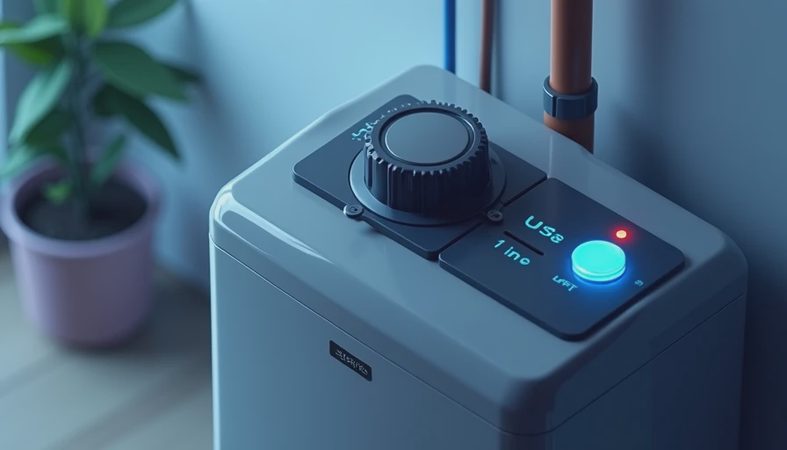
I like an evaporative humidifier when the goal is to add moisture without turning the room into a mineral snow globe. In my Miami apartment, where the AC already fights sticky air and hard tap water is always part of the story, this style earns attention because it uses a wick and fan instead of atomizing droplets. That means less white dust on furniture, less drama with mineral buildup, and a setup that is usually easier to live with in a bedroom than a cheap mist machine. If you have been staring at a wall of boxes and wondering which one is real, the answer usually comes down to output, noise, filter cost, and whether the tank can be cleaned without inventing new swear words.
How it works in the room
An evaporative humidifier pulls dry room air through a wet wick or filter, then sends the moisture back out with a fan. The room takes in only as much water as the air can hold, so the machine naturally slows down as humidity rises. That self-limiting behavior is why I like it for people who do not want to keep checking a dial every twenty minutes.
A cheap ultrasonic unit can look slick and still leave a chalky film if your water is mineral-heavy. This style avoids that by keeping the minerals in the wick instead of spraying them into the air. In practice, that makes cleanup more predictable, especially if you are using ordinary tap water instead of distilled.
What to check before buying
When I shop for an evaporative humidifier, the first thing I check is room size. A small bedroom unit that is rated for 200 to 300 square feet will usually be fine for sleeping space, while a larger console can make sense for an open living room. Tank size matters too. A tiny tank means constant refilling; a larger one can stretch through the night, but only if the fan speed is not so loud that it wakes the whole apartment.
Filter price is the trap most buyers miss. Replacement wicks often run about 10 to 25 dollars, and some need changing every one to three months depending on water hardness and run time. If the listing hides that part, keep shopping. I also want a physical control or a clear humidity target, because guessing at comfort from a glowing ring is a silly way to manage moisture.

The hidden costs nobody puts in the box
The hidden costs on an evaporative humidifier are not as dramatic as they sound, but they are real. A decent unit might cost 40 to 150 dollars for a portable model and 120 to 300 dollars for a bigger console, and the filter bill can turn a cheap buy into a mediocre one if you ignore it. I look for easy access to the tank, a removable wick, and parts that do not require a full teardown just to rinse out a week of mineral grime.
If you live in a place with soft water, the wick usually lasts longer. If you live somewhere like my neighborhood, where tap water leaves scale on everything it touches, expect more frequent maintenance. I rinse the tank weekly, wipe the base, and do a mild vinegar clean when I see buildup. That routine is boring, but so is replacing a machine because mold got the upper hand.
Where it fits best
This is the kind of unit I trust most in AC'd bedrooms, home offices, and nurseries where the door stays shut and the goal is steady comfort rather than visible mist. On a muggy Miami evening, I would not bother putting one in a wide-open living room with windows cracked. The room would fight back, the humidity would wander, and you would blame the machine for a weather problem.
It also pairs well with a simple hygrometer. Keep the room in the 40% to 50% range, give or take, and you will usually feel the difference in dry skin, scratchy throats, and sleep quality without drifting into condensation territory. That is the whole game: enough moisture to help, not so much that you start fogging windows or feeding mildew.
When to pass and choose something else
If you want a machine that makes visible mist, skip an evaporative humidifier and buy something else. This style is quieter than some fan-heavy designs, but it still has moving air, a wick, and a filter bill. That means it is a strong fit for a practical buyer and a poor fit for someone who wants zero maintenance or a gadget that looks like it belongs in a sci-fi ad.
The sweet spot is simple: choose one by room size, check the real filter price, and read the noise spec with a little skepticism. If the brand will not tell you how often the wick needs replacing, that is your cue to move on. If it does, and the numbers line up with your room, you are probably looking at a unit that earns its shelf space instead of decorating it. That is the kind of buy I like to see in a home that already has enough junk.