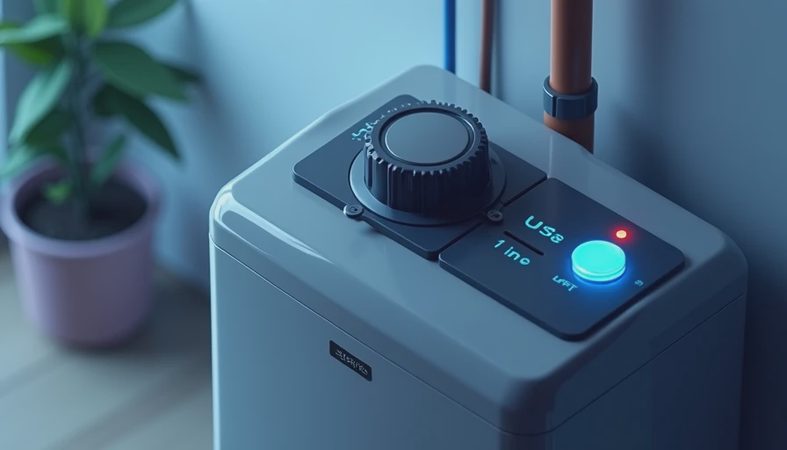
If you are trying to connect congestion and humidifier use, start with the simplest truth: dry indoor air makes irritated noses feel worse, but too much moisture turns a bedroom into a mold factory. In Miami, I see this mistake all the time because people blame the purifier, the AC, or the pollen when the room is just sitting in the wrong humidity range. If you wake up with a dry throat, cracked lips, and that miserable mouth-breathing feeling, the right moisture level can take the edge off. The sweet spot is usually around 40 to 50 percent relative humidity, not 60 and definitely not 70.
What congestion and humidifier use can actually do
A humidifier does not cure a cold, a sinus infection, or allergies. What it can do is keep the lining of your nose and throat from drying out so fast overnight. That matters when the AC has been running all day, the heat is blasting in winter, or you sleep with your mouth open. The difference is subtle but real: breathing feels less scratchy, mucus does not feel like glue, and you are less likely to wake up with that sandpaper throat.
On my humidity logger, the best nights usually happen when a bedroom starts in the low 30s and settles into the mid 40s. That is why congestion and humidifier questions are less about the machine itself and more about the room around it. If the air is already humid, adding moisture does nothing helpful. If the air is too dry, a modest bump in humidity can make sleep easier without turning the place swampy.
Where to place it and what settings to use
Put the unit where it can move air, not where it can blast your pillow. I like a bedside table or dresser a few feet from the bed, with the mist aimed toward open room space rather than a wall, curtain, or headboard. If the machine has a built-in humidistat, set it around 45 percent and let it cycle. If it does not, use a cheap standalone hygrometer. They cost little and save you from guessing.
The other rule is restraint. I do not chase 60 percent because that is where windows fog, musty smells start creeping in, and dust mites get a better party invitation than you want to give them. This is where congestion and humidifier setups go sideways in real homes: people crank the output, then wonder why the room feels heavier at 3 a.m. A smaller, quieter unit that holds 40 to 50 percent is usually better than a beast that floods the room and sounds like a hair dryer.

When the wrong setup makes things worse
The mistake I see most with congestion and humidifier use is dirty water and dirty tanks. An ultrasonic unit with tap water can throw fine mineral dust around the room, which is harmless to some people and annoying to others. In hard-water areas, that white dust shows up on nightstands, mirrors, and whatever black furniture you thought looked good in the showroom. Distilled water reduces that mess, and a quick rinse every couple of days keeps biofilm from turning the tank into a science project.
Too much humidity is the other problem. If your room already sits above 55 percent, stop adding moisture and fix the real issue first, whether that is the AC, ventilation, or an oversealed room. Warm-mist models can feel soothing, but they are slower, use more power, and need careful placement because hot steam is not worth a burned hand. For most bedrooms, cool mist is the safer, simpler choice.
Picking a unit that fits the room and budget
If you are shopping for congestion and humidifier relief, do not pay for app features before you pay for a good tank and a stable output. Basic bedroom units often land in the $30 to $70 range. Better built models with larger tanks, quieter fans, or more precise controls usually sit between $70 and $150. Once you pass that, you should be getting convenience, design, or smart controls that you will actually use, not just marketing glitter.
Evaporative units are a solid pick if you want fewer mineral issues and do not mind buying replacement wicks. Ultrasonic units are quieter and cheaper to run, which is why they fill so many nightstands. Warm-mist units can be fine for a cold room, but they are not my first move unless the bedroom is small and the user wants that steam effect. In plain English, choose the type that matches your cleaning habits. The best humidifier is the one you will keep clean enough to trust.

A bedtime routine that keeps the relief going
For congestion and humidifier comfort, timing matters. I like to run the machine 30 to 60 minutes before bed so the room gets into range before I do. Then I let it maintain the number instead of blasting all night. If you are prone to stuffiness, pair it with a saline rinse, a glass of water, and a bedroom that is not overly warm. Heat plus dryness is a lousy combination, and it makes the room feel more crowded than it really is.
Cleaning is not optional. Empty the tank daily if you can, wipe it out, and give it a deeper scrub every few days with the manufacturer’s cleaner or a mild vinegar mix if the manual allows it. Replace any wick or filter on schedule. When a unit is clean and the humidity stays around 45 percent, the relief is predictable. When it is not, the machine becomes part of the problem.
Quick answers from the bench
The short answer on congestion and humidifier questions is yes, it can help a dry, irritated nose feel better overnight, but only if the room is dry enough to need it. If your home already feels damp, skip the extra moisture and focus on airflow instead. If you are using an ultrasonic model, distilled water is worth it. If you are using a cool-mist evaporative unit, keep extra wicks on hand. And if congestion comes with fever, chest tightness, or pain that keeps getting worse, that is a medical conversation, not a humidity tweak.
For most people, the smart move is simple: keep the room in the 40 to 50 percent range, buy a unit you can clean without swearing at it, and stop treating humidity like a guessing game. That is how congestion and humidifier setup turns from a random Amazon purchase into something that actually earns its spot in the bedroom.