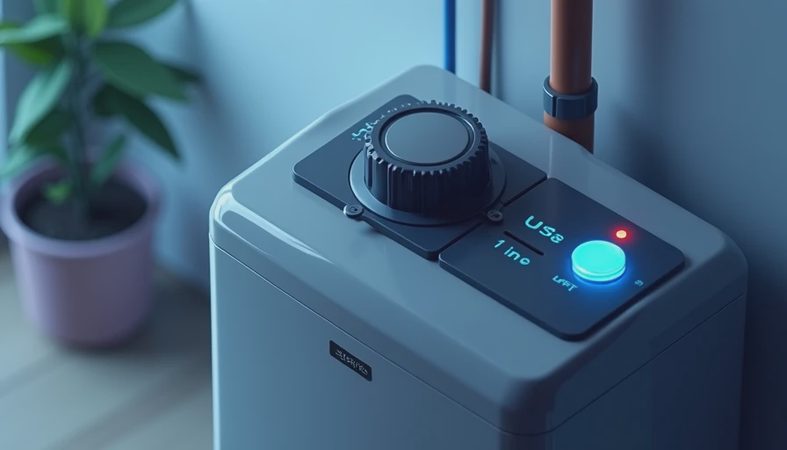
If you are stuck on air purifier vs humidifier, you are not choosing between two versions of the same machine. One strips particles out of the air; the other adds moisture to it. That sounds simple until you are standing in a bedroom with dust, a coughing kid, and a budget that should not be wasted on a shiny box that does the wrong job. I test this stuff in Miami, where humidity can make a room feel swampy fast, so I pay attention to what actually changes the room and what just looks good on a product page.
What each machine actually does
An air purifier moves room air through a filter, usually a true HEPA filter, and traps fine particles like pollen, pet dander, smoke, and dust. Some models also add activated carbon to help with odors from cooking, pets, or traffic. That is useful if you wake up congested, if you live near a busy road, or if your apartment smells like last night’s takeout by noon. A purifier does not add water to the air, and it does not fix a dry throat by itself. It is a cleaner, not a moisture machine.
A humidifier does the opposite job. It puts water vapor into the room, which can help in dry climates or during winter heating when noses crack, lips chap, and skin feels tight. Evaporative humidifiers use a wick and a fan. Ultrasonic units use vibration to create a mist. The big catch is maintenance. A dirty humidifier can grow mold or spread minerals into the room if you use hard tap water, which is why distilled water and regular cleaning matter. So before you buy one, ask whether your room is actually dry enough to need it.
In a lot of homes, the right answer is not a complicated one. If you are dealing with airborne junk, the purifier earns its place. If the air already feels sticky and the room sits above 50 or 55 percent humidity, adding more moisture is usually the wrong move. That is where a cheap hygrometer, usually ten to twenty dollars, pays for itself fast. It tells you whether the problem is particles, dryness, or plain bad luck with your building.
When the air is the problem, start with particles
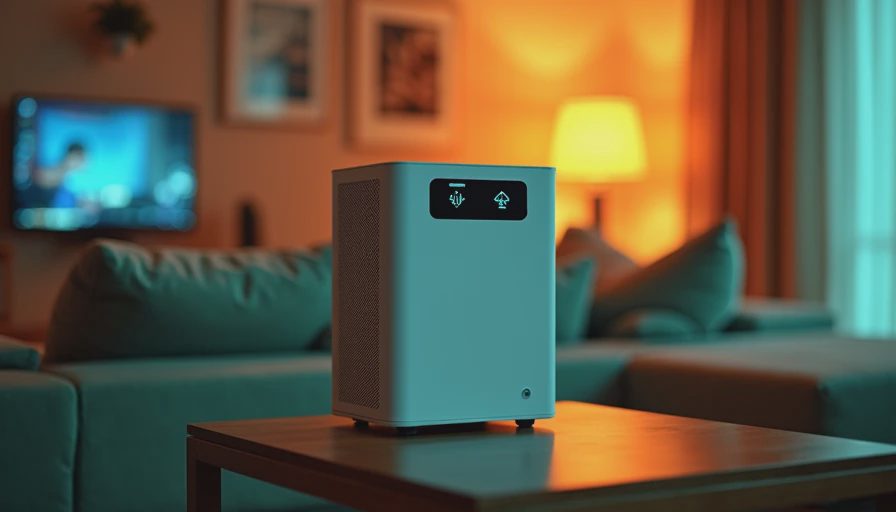
If your main complaint is allergies, smoke, pet odor, or dust, I would start with a purifier almost every time. In my testing, a decent unit with a real HEPA filter and a published clean air delivery rate can make a bedroom feel different in a few hours, not magically, but enough that you notice less sneezing and less grit on surfaces. Coway, Blueair, and Levoit all have models in the common apartment and bedroom range, and the useful part is not the logo. It is whether the machine moves enough air for the room size you actually have.
This is also where people waste money on features they do not need. A color screen, app control, or voice assistant is fine if you want it, but it does nothing if the filter is tiny or the fan is too weak. In a real home, the boring stuff matters more: replacement filters that cost thirty to eighty dollars, noise under 50 decibels if you want to sleep with it on, and a design that lets you replace the filter without swearing at it. That is why air purifier vs humidifier stops being a lifestyle debate and becomes a room-by-room decision.
When moisture helps and when it hurts
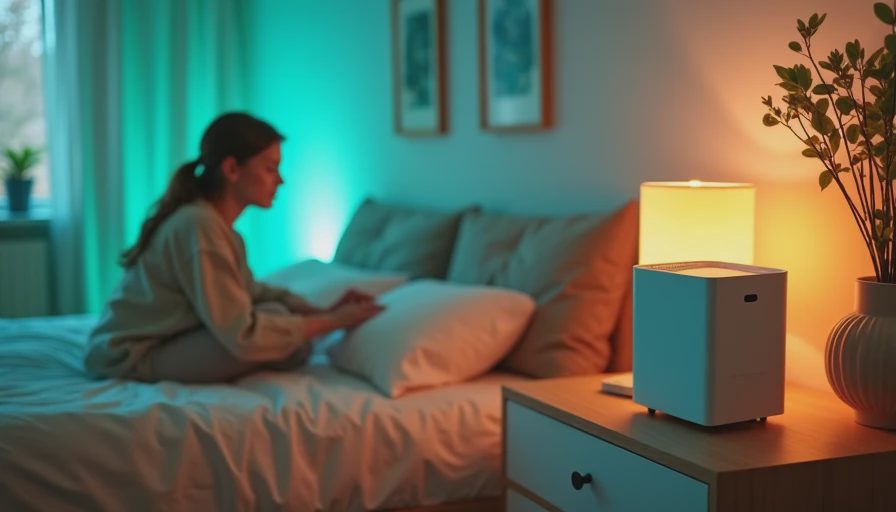
If the room feels dry, a humidifier can be the better buy. Winter heating in colder states is the classic example, but so is any room with forced air that leaves you waking up with a sore throat. A good humidifier should bring the room into the 40 to 50 percent range, not push it into swamp territory. Once you get much above that, you are making it easier for mold and dust mites to thrive. That is not a small detail in a bathroom-adjacent bedroom or an older house with spotty ventilation.
There is also the issue of upkeep. Evaporative models use filters or wicks that usually need replacing, often in the ten to twenty-five dollar range. Ultrasonic models can be quieter, but they can leave mineral dust if you run hard tap water through them every night. That is why brands like Vicks, Honeywell, and Crane make sense for simple use, while higher-end machines, including some Dyson purifier-humidifier combos, charge a premium for convenience. The combo idea sounds smart until you realize you are cleaning one more complicated box.
In Miami, I almost never steer someone toward adding moisture first. Coastal humidity already does that job for free, sometimes too well. If your place feels clammy or your windows sweat, a humidifier is not the cure. You are better off checking ventilation, AC runtime, and whether you actually need a dehumidifier instead. In dry inland homes, though, the opposite can be true. A bedroom humidifier can improve comfort enough that you sleep better without touching the thermostat.
The mistakes that waste money
The first mistake is buying based on the wrong symptom. People hear dry nose and buy a purifier, or they hear allergies and buy a humidifier because it sounds gentler. Those are not interchangeable problems. The second mistake is trusting a flashy combo unit to do both jobs equally well. Most of the time, it is a compromise with a smaller water tank, weaker filtration, or more maintenance than the brochure lets on. If you want two jobs done well, two separate machines usually beat one crowded appliance.
The third mistake is skipping the meter. A forty-dollar humidity meter and a basic dust habit tell you far more than the box does. If your bedroom reads 62 percent humidity, a humidifier is a bad purchase. If your room reads 34 percent and your throat feels like sandpaper, you have your answer. If the room is dry and dusty, then the right order is often purifier first for particles, humidifier second for comfort. That sequence saves money because the purifier has broader use across seasons.
A simple test before you buy
Before spending real money, stand in the room you want to fix and answer three questions. First, do you see dust, smell smoke, or wake up congested? That points toward filtration. Second, do you wake up with a dry nose, cracked lips, or a scratchy throat, especially when the heat runs? That points toward moisture. Third, what does the humidity meter say? Anything in the low 30s is dry enough that a humidifier starts making sense. Anything already near the mid-50s usually does not.
That is the cleanest way to think about air purifier vs humidifier without getting lost in Amazon reviews or a sales pitch from a box with seventeen modes and a sleep timer. Start with the room, not the marketing. If you want the shortest path to a better setup, buy the machine that solves the actual problem, not the one that sounds smartest in the cart. For most homes, that means a real purifier for particles, then a humidifier only when the air proves it needs moisture.