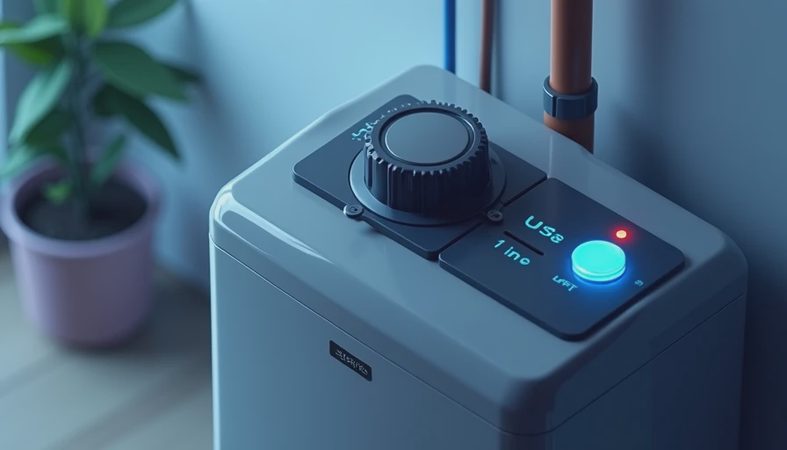
A humidifier for house use can be a lifesaver when indoor air gets dry from air conditioning or winter heat. In Miami, I still see plenty of bedrooms dip below a comfortable range because the AC runs hard all day, and that dry air shows up as scratchy throats, waking up congested, and skin that feels tighter than it should. The trick is not buying the biggest tank on the shelf. It is matching the machine to the room, the water you use, and how much cleaning you are willing to do.
The sweet spot for most homes is roughly 30 to 50 percent relative humidity. Below that, you start feeling the dryness. Above that, you invite condensation, musty smells, and in the wrong room, mold. A cheap hygrometer costs less than a dinner out and tells you whether the machine is helping or just making the air feel heavier. I keep one near the bed when I test units because guesses are how people end up disappointed.
Start with the room, not the tank
If you're buying a humidifier for house coverage, start with the room, not the tank. A compact bedroom model with a one-gallon reservoir can work fine overnight in a 150- to 250-square-foot space. Once you move into a larger primary bedroom, a nursery, or an open living area, runtime and output matter more than marketing copy. A machine that only runs six hours before emptying is not a win if you sleep eight.
Look at output, refill frequency, and how noisy the fan is. Evaporative units are usually the safer bet for first-time buyers because they avoid the white mineral dust that some ultrasonic models can throw into the room when tap water is hard. Ultrasonic units are quieter and often cheaper, but they reward you for using distilled water and cleaning more often. Warm-mist units can feel comforting in a cold room, but they use more power and are not my first pick around kids or pets.
Pick the style that fits your routine
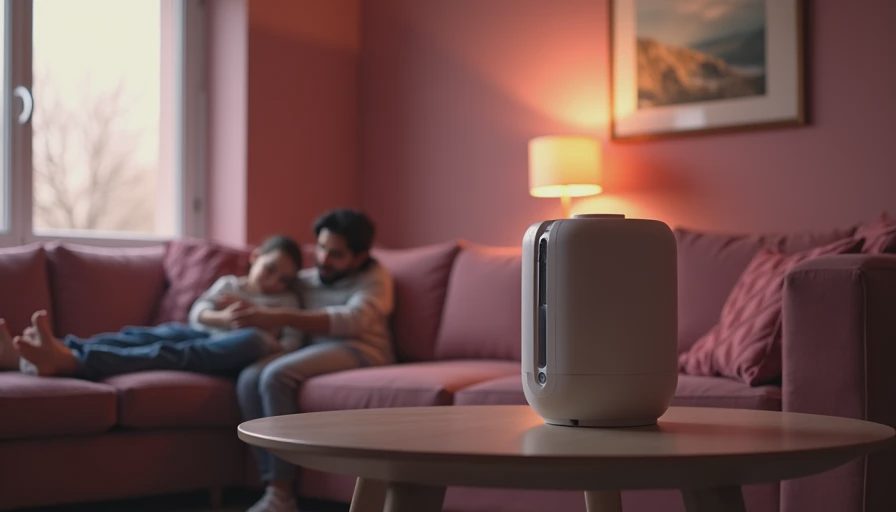
A humidifier for house shoppers need to think about daily habits, not just specs. If you hate maintenance, a simple evaporative unit from a mainstream brand like Honeywell or Vicks can be easier to live with because the filter does some of the mineral control for you. If you care most about low noise in a bedroom, a quiet ultrasonic unit from Levoit or similar brands can make sense, especially when you plan to use distilled water and keep the tank clean.
Whole-home units are a different animal. Brands like Aprilaire make models that tie into the HVAC system and add moisture to several rooms at once. That is useful when a house has dry forced air and you do not want portable machines in every room. It is also more expensive, usually requiring installation, so I would not jump there unless you know a portable unit will not cover the problem.
Size it to real use, not wishful thinking
A humidifier for house shopping mistake I see all the time is buying for square footage on the box instead of the way the room is actually used. A room with tall ceilings, an open doorway, or a ceiling fan moving air around needs more capacity than a closed bedroom of the same floor size. If the door stays open, moisture drifts into the hall and the unit has to work harder.
Think in terms of hours between refills and how often you want to top it off. Smaller units often need daily filling. Larger ones may run through a night and still have water left in the morning. That is the difference between something you use consistently and something that ends up shoved in a closet after a week. If your bedroom is tiny, a big machine is just extra cleaning work. If your living room is broad and connected to the kitchen, one portable unit may not keep up no matter how fancy it looks.
Put it where it can actually move moisture
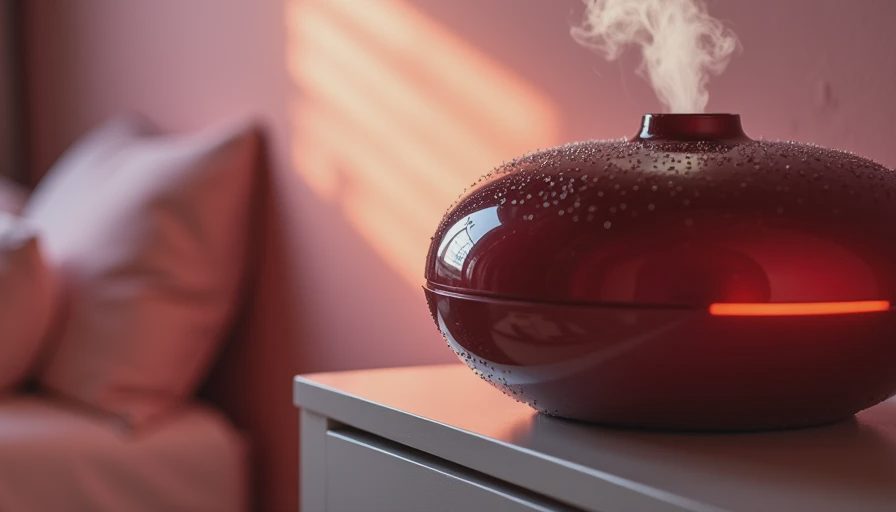
Placement matters more than people think. Put the unit on a flat surface where air can circulate around it, not pressed into a corner or jammed against a wall. A small tray or mat under the base can save furniture from drips, especially if you are using a tabletop model or one that gets bumped by a pet. Keep it far enough from the bed that you are not sleeping in a direct mist stream all night.
If you run an ultrasonic model, distilled water can reduce white dust on shelves and dark furniture. If you use tap water and start noticing a powdery film, that is the mineral content in your water showing up in the room. A simple hygrometer near the sleeping area will tell you whether the placement is working. I like to see the room stabilize without climbing past the mid-40s.
Clean it like it matters
For a humidifier for house use that runs nightly, cleaning beats every flashy feature on the box. Standing water turns into scale, slime, and smell faster than most people expect. Rinse the tank often, let it dry between fills when possible, and follow the manual for descaling or disinfecting. Vinegar handles mineral buildup well in many units, while the manufacturer instructions should guide anything stronger. If the machine starts smelling funky, stop pretending it is fine and clean it.
Filters are another hidden cost. Evaporative units often need filter changes every one to three months depending on water hardness and run time. That is not a dealbreaker, but it should be part of the budget. A $70 machine that eats a $15 filter every month can cost more over a season than a quieter, pricier model with less upkeep. This is where cheap turns expensive fast.
When whole-home makes more sense
A humidifier for house buyers usually land here after portable units fail to keep up. If you are trying to condition multiple rooms, dealing with very dry winter air, or maintaining a specific humidity target for wood floors and instruments, an installed whole-home unit can be worth the money. Installed cost often lands somewhere in the low hundreds to over a thousand dollars depending on the system, ductwork, and labor. That is real money, but so is buying two or three portables and still not getting even coverage.
For a smaller apartment, condo, or single bedroom, I would spend less and keep the setup simple. A good portable unit, a cheap hygrometer, and a cleaning routine will solve most problems. A humidifier for house comfort should be boring once it is set up right, and that is usually the sign you bought the right one.