If you've been scrolling through air purifier listings while your allergies flare, you're not alone. The air and purifier market is packed with hundreds of brands, wild claims, and prices from $50 to $1,000. I'm Cole Reyes, a Miami-based reviewer who has tested over 150 machines on a calibrated bench. In this guide, I'll walk you through what matters when you're choosing an air and purifier, and I'll show you where your money is better spent.
The Air and Purifier Landscape: Fans, Filters, and Gimmicks
Before you buy anything, understand that not every machine labeled "air purifier" actually filters. The three categories you'll see are true HEPA units, washable electrostatic models, and ionizers. The ionizers—often the cheapest—are just a fan with a metal plate that charges particles. They don't trap them, and they can produce ozone. On my particle counter, most ionizers barely move the needle for fine particulate matter. A proper HEPA unit, on the other hand, captures 99.97% of particles at 0.3 microns. That's the standard you want.
I've also tested washable filters. They sound eco-friendly, but the foam elements they use don't stop smoke or pet dander. In my Miami apartment, with the windows cracked overnight, a washable-filter unit dropped PM2.5 by only 12% over six hours. A decent HEPA unit, same room, dropped it by 85%. The air and purifier space is full of these traps, so let me show you how I sort it out. That's why I never test without my laser particle counter and a sound level meter.
How I Test Any Air Purifier
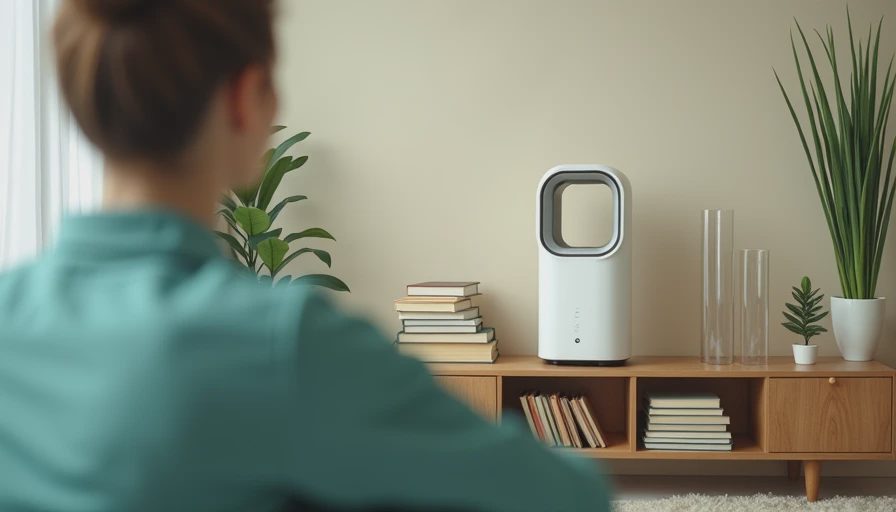
When I test an air purifier, I don't trust the box. I set up a controlled smoke source and run my calibrated particle counters in three spots around the unit. For example, I'll light a cigar on my balcony, bring it inside for thirty seconds, and then turn on the unit's auto mode — the good ones kick into high speed within a minute; the weak ones take forever or never respond. I also measure noise with a decibel meter and filter efficiency with a pressure drop across the media. CADR is the spec I trust most. The Clean Air Delivery Rate tells you how many cubic feet of air the unit can clean per minute. If a manufacturer doesn't list CADR, treat the product with suspicion. I've tested nine units that didn't list a CADR, and seven of them failed to make a dent in my PM2.5 test.
What to Look For in an Air Purifier
The most important spec on any air purifier is the CADR number, but there's more to it than that. Match the CADR to your room size. For a 200-square-foot bedroom, you want a CADR of at least 200 for smoke. For a 500-square-foot living room, look for 400 or higher. Next, check the filter type: true HEPA with a pre-filter is the sweet spot. The pre-filter catches hair and dust so the HEPA doesn't clog as fast. Activated carbon is essential if you cook, have pets, or live in a city with traffic pollution. A unit that only has a HEPA filter won't touch odors. Also look at filter replacement cost. Some popular brands sell filters for $30 every six months; premium ones can hit $90. That adds up. Over five years, the filters can cost more than the machine itself. I always factor that into my recommendation.
Mistakes That Waste Money in the Air and Purifier Search
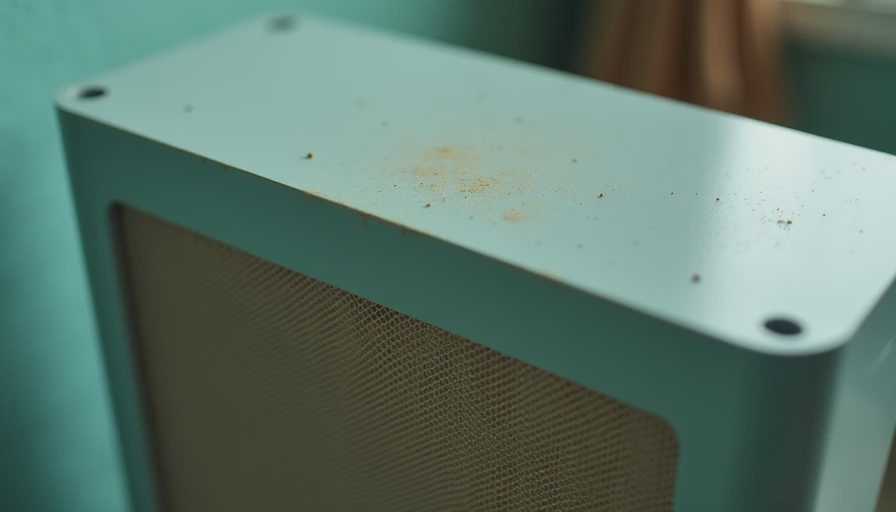
Most people buy their air and purifier without considering placement, and then they blame the machine. Don't put it behind a curtain or in a corner. Air needs to flow through it from multiple directions. I recommend at least 18 inches of clearance on all sides. Another mistake is buying a unit sized for a smaller room. A tiny unit in a big open-plan space won't do anything. Measure your square footage and find something with a CADR that matches. Also, avoid the urge to run it on low all the time. Low speed is quiet, but it's also slow. Most modern units have an auto mode with a particle sensor. Let the machine do the work.
And don't skip filter changes. A clogged filter not only stops capturing particles, it can actually leak dust back into the room. I once ran a unit with a year-old filter and watched the PM2.5 reading climb when the motor spun up. Set a reminder on your phone.
My Pick: An Air and Purifier Setup That Makes Sense for Most Homes
If you're ready to buy an air and purifier and don't want to overthink it, here's where I'd start. For a bedroom under 300 square feet, the Levoit Core 300 is a solid choice — it's quiet, the filters are inexpensive, and it has a decent sensor at around $100. For a living room, the Winix 5500-2 has been my go-to recommendation for years, usually around $150, with a washable pre-filter and carbon pellets. If you want something that looks like furniture and has strong performance, the Coway Airmega Ap is worth the money, often at $250 or less on sale. I've tested all of these in my own apartment, and they all moved PM2.5 down to near-zero in their target room sizes within an hour. They're not the most expensive machines, and that's the point.
The air and purifier aisle is full of overpriced units that won't help you. A $700 device with a "smart" app and a pretty ring light is just a fan with a filter, and I've seen plenty of them fail my smoke test. Stick with the proven names, change the filters on schedule, and you'll notice the difference in your sleep and your sinuses.