A hepa filter replacement is one of those purchases that looks simple until you are staring at twelve nearly identical listings online. Some cost $25, some cost $90, and several claim to fit the same purifier. After testing more than 150 air-cleaning machines in my Miami home, I have learned that the wrong filter can turn a capable purifier into an expensive fan with a glowing button.
The filter is the working surface that captures airborne particles such as dust, pollen, and some smoke particles. As it loads with debris, airflow drops. That means your purifier can sound normal while cleaning less air. A smart hepa filter replacement restores the pressure and airflow the machine was designed to deliver, but only if the replacement is the correct size and construction.
When Your HEPA Filter Actually Needs Replacing
Manufacturers commonly suggest changing a filter every six to twelve months, but that is a starting point, not a law of nature. A purifier running in a bedroom with closed windows will usually load more slowly than one operating beside a construction project, a shedding dog, or a busy kitchen. In coastal South Florida, humidity and frequent open windows add another layer of stress.
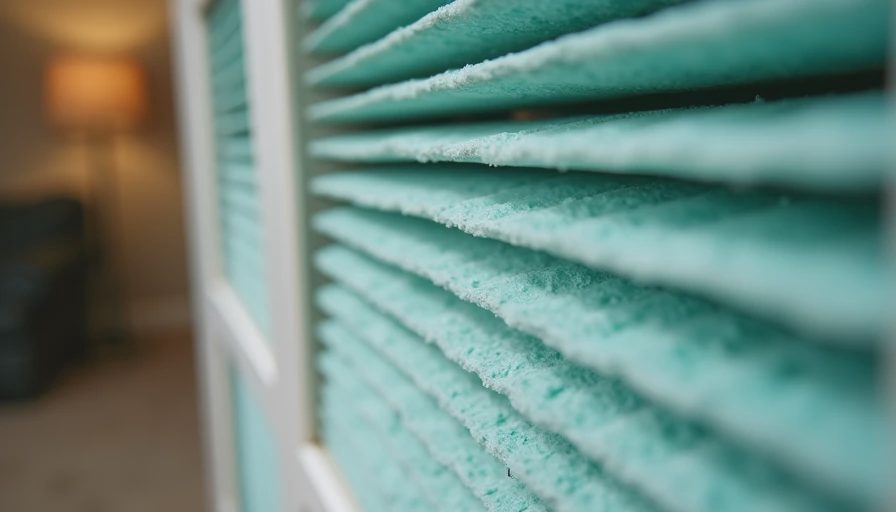
The clearest warning is reduced airflow. Hold your hand several inches above the exhaust before and after cleaning the prefilter, then compare the strength over time. A filter that looks gray, feels heavy, or smells dusty is also ready for inspection. Some machines display a filter warning based on runtime rather than actual particle loading, so reset the indicator only after installing the new filter.
Do not wash a pleated HEPA filter unless the manual specifically says it is washable. Water can damage the fibers, trap moisture, and create a musty smell. Vacuuming the outer surface can remove loose dust temporarily, but it does not restore the filter's internal capacity. When airflow remains weak, a real hepa filter replacement is the fix.
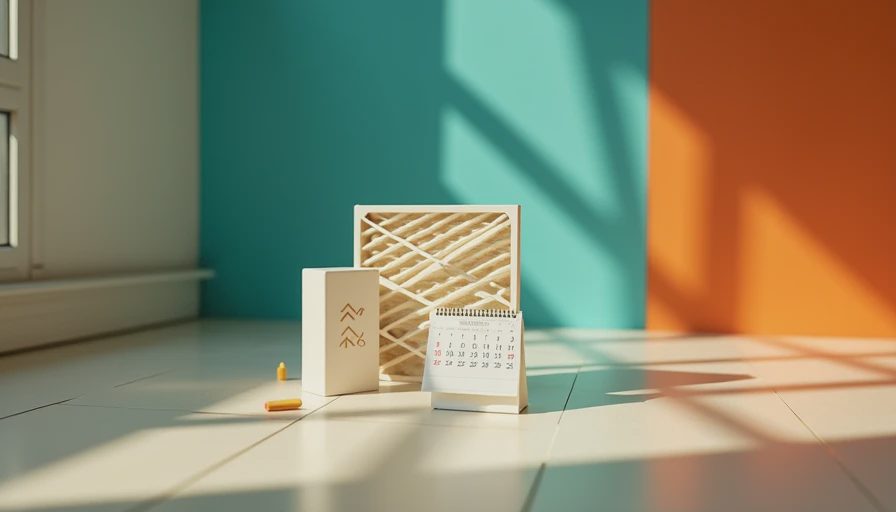
A good replacement should also address the purifier's other stages. Many models use a washable mesh prefilter to catch hair and larger dust, followed by a HEPA layer and an activated carbon sheet. The carbon section handles odors and some gases; it is not interchangeable with the particle filter. If you only replace the HEPA portion while the carbon has become saturated with cooking or tobacco odor, the room can still smell stale.
How to Choose a Compatible Filter
Start with the exact model number, not the purifier's brand name. Levoit Core 300 and Core 300S filters look similar but are not automatically interchangeable with every round Levoit unit. The same issue appears with Coway Airmega, Blueair, Winix, Honeywell, and GermGuardian products. Read the label on the old filter and compare the shape, gasket position, tabs, pleat depth, and airflow direction.
A legitimate hepa filter replacement should fit snugly without forcing the housing closed. Gaps around the edge allow unfiltered air to bypass the media, which defeats the point of the machine. I have seen third-party filters with an attractive white surface but a thin, loose frame that leaves visible space around the cartridge. A filter that is technically the right diameter can still be the wrong filter.
Look for clear product information, including the model numbers supported and whether the item contains a true HEPA layer or a less specific “high-efficiency” filter. Marketing language is not always a reliable substitute for construction details. Avoid listings that use a stock photo, offer no dimensions, and promise compatibility with dozens of unrelated purifiers.
Price is a useful clue, but not a verdict. A $22 generic filter can work well if its frame and media match the original. A $65 branded filter is not automatically better if it has been stored in a damp warehouse or arrives with crushed pleats. Buy from a seller with a practical return policy, especially for an older machine with several filter revisions.
What I Check Before Installing One
Before opening the package, photograph the old filter in its installed position. Note which side faces the intake and how the pull tab sits. Unplug the purifier, remove the cover, and vacuum loose dust from the housing. Do not blast the interior with compressed air; that simply redistributes fine particles into your room.
Compare the new hepa filter replacement with the old cartridge on a flat surface. Check the height, outside diameter, seal, pleat shape, and any arrows or labels. If the new unit is visibly shorter or the rubber gasket does not meet the housing, stop there. “Close enough” is a bad standard for an air path.
Install the cartridge with the correct side facing the fan. Reattach the cover evenly, because a twisted cover can create both noise and bypass leakage. Run the purifier on a high setting for fifteen minutes and listen for rattling, whistling, or a sudden change in pitch. Reset the filter indicator according to the manual, then write the installation date on a piece of masking tape.
That date matters. A calendar reminder six months out is more useful than waiting for a smell or a dashboard light. Homes with pets, smokers, renovation dust, or allergy-sensitive occupants may need a shorter interval. Homes with light use and a well-maintained prefilter can often go longer, provided airflow remains strong.
Getting More Life From the Next Filter
The cheapest hepa filter replacement is the one you do not have to buy early. Clean a washable prefilter every two to four weeks, depending on dust and pet hair. Let it dry completely before reinstalling it. If your purifier has no removable prefilter, gently vacuum the intake grille with a brush attachment while the unit is unplugged.
Placement also matters. Leave several inches of clearance around the intake and exhaust. Do not push the purifier behind a sofa, into a bookcase, or directly against a humidifier. Blocking the intake increases resistance, reduces circulation, and can make the filter appear to clog faster. Near an open balcony door, the machine will also process more outdoor dust and moisture.
For smoke or strong odors, run the purifier on high rather than relying on automatic mode alone. Particle sensors can respond dramatically to visible smoke while missing some odor compounds. A thick carbon stage helps, but no residential purifier removes every gas, and a HEPA layer is not a substitute for ventilation or source control.
Is a Generic Filter Worth the Risk?
A generic filter can be a sensible budget choice when the dimensions, seal, and media are genuinely comparable. It is less sensible when the listing gives vague compatibility claims or omits the filter's measurements. I would rather buy a clearly documented $30 replacement than gamble on a $17 cartridge with a loose frame.
If your purifier is still under warranty, the manufacturer's replacement may be the least complicated option. For an older machine, compare the annual filter cost with the price of a newer, better-supported purifier. A unit requiring $80 filters twice a year can cost more to operate than a newer model with a $35 cartridge, even when the older machine was inexpensive.
My practical test is simple: after installation, compare airflow, noise, and particle readings in the same room under similar conditions. If the new filter causes a major airflow drop immediately, smells strongly chemical, or cannot seal, return it. A good hepa filter replacement should make the purifier feel restored, not restricted.
Replacing the filter is maintenance, not a miracle cure. It will not solve mold growth, a dirty blower, open windows beside a dusty road, or an undersized purifier. But with the right cartridge, a clean prefilter, and sensible placement, your machine can keep doing the quiet, measurable work you bought it to do.