If you have watched sunlight expose a floating cloud of particles in your living room, you have probably asked: does an air purifier help with dust? The short answer is yes, but only with the dust that is airborne. A purifier cannot pull settled grit from your shelves, carpet, or ceiling fan. It can, however, capture particles before they land, reduce what you breathe, and make dusting less ridiculous over time.
I test air cleaners in Miami, where humidity, open windows, and construction dust create a particularly annoying combination. The useful machines are not necessarily the most expensive ones. They are the units that move enough filtered air through a room, seal the filter properly, and do not become too loud to run continuously.
What an Air Purifier Can and Cannot Remove
Household dust is a mixture rather than one single pollutant. It can contain skin flakes, fabric fibers, soil, pollen, pet dander, and particles tracked in from outdoors. Larger pieces fall quickly onto furniture. Smaller particles can remain suspended, especially when a person walks across a rug, folds laundry, or runs a vacuum without good filtration.
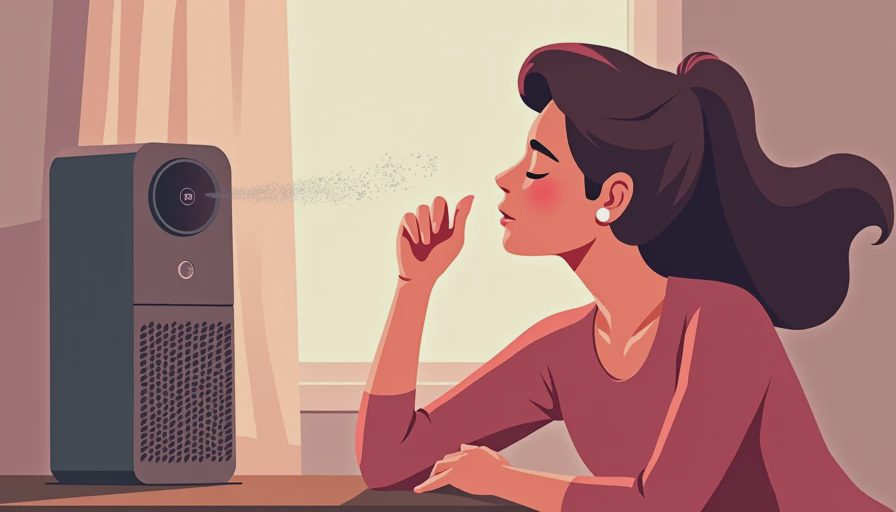
So, does an air purifier help with dust? It helps most with those suspended particles. A mechanical purifier draws room air through a filter, usually a pleated filter marketed as HEPA or HEPA-type. The filter captures particles through several mechanisms, including interception and impaction. Clean air then returns to the room.
It will not clean a dusty bookcase, wash allergens out of curtains, or stop soil from entering through the front door. It also will not replace a vacuum or damp microfiber cloth. Think of it as a cleanup partner working on the air, not a robot maid working on every surface.
The difference is noticeable after a disturbance. A good unit can reduce airborne particle readings within an hour in a closed bedroom. It cannot prevent a fresh layer from appearing if the HVAC filter is clogged, shoes are worn indoors, or a shedding pet is sleeping on the sofa.
How to Choose a Dust-Fighting Air Purifier
The specification that matters most is clean air delivery rate, commonly called CADR. A high CADR means the purifier moves more filtered air. For a small bedroom, a compact unit rated around 150 to 250 cubic feet per minute can be useful. A larger living room often needs roughly 250 to 450 CFM, depending on ceiling height, doors, and how open the floor plan is.
A tiny desktop purifier with a decorative filter may collect some particles near your face, but it cannot meaningfully clean a 400-square-foot room. This is where does an air purifier help with dust becomes a sizing question rather than a simple yes-or-no question. An undersized unit can be technically functional and practically disappointing.
Look for a genuinely dense particle filter, a replaceable filter that is easy to find, and an intake design that does not leave obvious gaps around the cartridge. True HEPA is a useful term, but marketing language varies. I care more about measured airflow and room performance than a giant claim printed on a box.
Activated carbon is helpful for odors and some gases, but a thin black carbon sheet does little for dust. Do not pay extra for a dramatic carbon claim if your main problem is visible debris. A filter replacement can cost $20 to $80 per year for common residential models, while premium proprietary cartridges can cost more.
Noise also matters. If the purifier is unbearable at its effective speed, it will spend most of its life switched off. A machine that runs quietly on medium for 12 hours can outperform a louder model that advertises impressive maximum numbers but only gets used during allergy flare-ups.
Placement, Runtime, and Filter Care
Put the unit where people spend time, with several inches of clearance around its intake and outlet. A bedroom purifier belongs near the bed but not pressed against a wall or hidden behind a nightstand. In a living room, place it where air can circulate freely rather than inside a media cabinet. Keep doors and windows closed during a test so outdoor air does not constantly replace filtered air.
For dust, continuous low or medium operation usually makes more sense than a short blast once a week. Auto mode can respond to a sudden particle spike, but some sensors are less sensitive to heavier dust that settles quickly. If you are testing a new unit, run it for several hours, wipe nearby surfaces before starting, and compare the next day’s dust buildup with your normal routine.
Does an air purifier help with dust when the filter is gray and overloaded? Not efficiently. A clogged filter restricts airflow, which reduces the amount of air passing through the filter. Check the cartridge monthly during heavy use, particularly if you have pets, ongoing remodeling, or a return vent near a dusty hallway. Replace it according to its condition and the manufacturer’s instructions, not merely because an app displays a reassuring percentage.
Do not wash a disposable particle filter. Washing can damage the media and create mold problems if it remains damp. You can vacuum the exterior prefilter gently when the design allows it, but avoid poking holes into the main filter.
The Cleaning Routine That Makes the Purifier Work Better
A purifier performs best when you reduce the amount of new dust entering the room. Use a sealed vacuum with a good exhaust filter, and move slowly over rugs so the machine has time to collect debris. A damp microfiber cloth is better than a dry feather duster, which simply relocates particles into the air. Wash bedding regularly, brush pets outdoors when practical, and use washable mats at entry doors.
For central air, inspect the HVAC filter and choose a compatible filter with a useful efficiency rating. A very restrictive filter can strain a system that was not designed for it, so follow the equipment guidance rather than installing the highest number available. During renovations, isolate the work area and use source ventilation; a room purifier is not permission to leave drywall dust floating through the house.
If dust returns quickly after cleaning, investigate the source. Check window tracks, attic access panels, leaky ductwork, carpet edges, and construction gaps. In humid homes, keep indoor humidity in a comfortable middle range because excessive moisture can encourage biological growth, while overly dry air can make some particles easier to stir up.
A Simple Buying and Testing Checklist
Start by measuring the room, then compare its size with the purifier’s published coverage at a meaningful performance setting. Next, check replacement filter prices and availability before buying. A $130 unit with a $35 cartridge can be easier to live with than a $90 unit requiring a $70 proprietary filter.
Run the purifier beside your normal cleaning routine for a week. Listen for motor noise at night, inspect whether the filter collects visible material, and notice whether dust settles less quickly on dark furniture. If you own a particle counter, take readings before and after cooking, vacuuming, or opening a window. The number will tell you more than a glowing air-quality ring.
Does an air purifier help with dust in an open-plan home? It can, but one bedroom-sized model will not handle a kitchen, hallway, and living room equally well. Two correctly sized units can provide better coverage than one expensive purifier parked in a corner. For many homes, spending $150 to $400 on appropriately sized filtration is more sensible than chasing a luxury model with a touchscreen and weak airflow.
The Bottom Line for Dusty Homes
Does an air purifier help with dust? Yes, when you choose enough airflow, run it consistently, and keep the filter clear. It removes airborne particles, reduces the amount available to settle, and can make a bedroom feel cleaner during allergy season. It does not replace vacuuming, damp dusting, HVAC maintenance, or fixing an entry point for dirt.
My practical recommendation is to buy the largest quiet, well-sealed model that fits your room and your replacement-filter budget. Skip fragrance cartridges and decorative mini units unless you only need a small personal zone. Give the purifier a fair week-long test, combine it with source control, and judge performance by cleaner air and less settled debris rather than by an LED ring.