A clean air filter is one of the least exciting home upgrades, but it can make a bigger difference than another decorative air purifier with a glowing LED ring. I have tested filters and purifiers in Miami apartments where humidity, construction dust, and open windows put equipment through a daily stress test. The basic lesson is simple: the right filter protects your HVAC system, reduces airborne particles, and keeps your fan from working harder than necessary. The wrong one can restrict airflow, waste energy, and leave your indoor air largely unchanged.
What a clean air filter actually does
Your HVAC filter sits between the return-air grille and the blower or inside the air handler. As air circulates, the filter catches some dust, lint, pollen, pet dander, and other particles before they reach the equipment and get redistributed through the home. It is not designed to remove every odor, kill every germ, or replace ventilation. A clean air filter is a first line of defense, not a complete indoor-air-quality system.
The filter rating matters. MERV, or Minimum Efficiency Reporting Value, describes how effectively a filter captures particles across a range of sizes. A basic MERV 8 filter is common in homes and handles ordinary dust and pollen. MERV 11 or MERV 13 filters capture smaller particles more effectively, including many fine particles associated with smoke and combustion. However, a higher rating is not automatically better for every system. If the filter is too restrictive, your blower may move less air, rooms can become less comfortable, and the motor may run under unnecessary strain.
Before buying, check the size printed on your existing filter, such as 16 by 25 by 1 inches. Measure if the label is missing. A filter that is one inch too large will not fit, while a loose filter lets air bypass the media entirely.
How to choose a clean air filter without choking your HVAC system
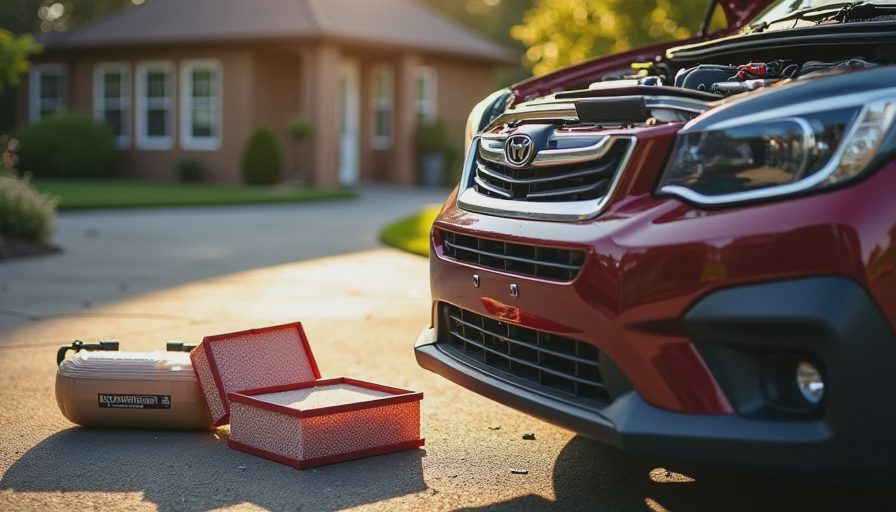
Start with the recommendation in your owner manual or on the air handler. Many residential systems are built around a one-inch MERV 8 or MERV 11 filter. Some newer systems can handle MERV 13, but you should not assume that a more expensive filter is compatible just because it has a better number on the package. A technician can measure static pressure if you are upgrading substantially, but homeowners can also watch for warning signs: weak airflow at vents, longer cooling cycles, unusual whistling, or a filter that bows inward while the system runs.
For most homes, a pleated filter from brands such as Filtrete, Nordic Pure, Honeywell Home, or AprilAire is a reasonable starting point. I care less about a dramatic package claim than the filter construction, proper fit, and replacement schedule. A $10 to $20 filter changed on time can be more useful than a $30 filter left in place until it looks gray and fuzzy.
Homes with pets, smokers, frequent renovation dust, or several occupants often need more frequent replacement. A quiet apartment with no pets may stretch a standard filter closer to 90 days, while a busy home may need a new one every 30 to 60 days. In Miami, I inspect mine monthly because humidity and outdoor dust can make the media load faster than the calendar suggests.
When to replace your filter
Do not wait for a filter to become visibly filthy. Some fine particles fill the media without creating an obvious dark layer, and a filter can look acceptable from the front while being heavily loaded deeper inside. Set a recurring phone reminder for the first day of each month. When the reminder appears, turn off the system, remove the filter, and check the pleats against a new one under good light.
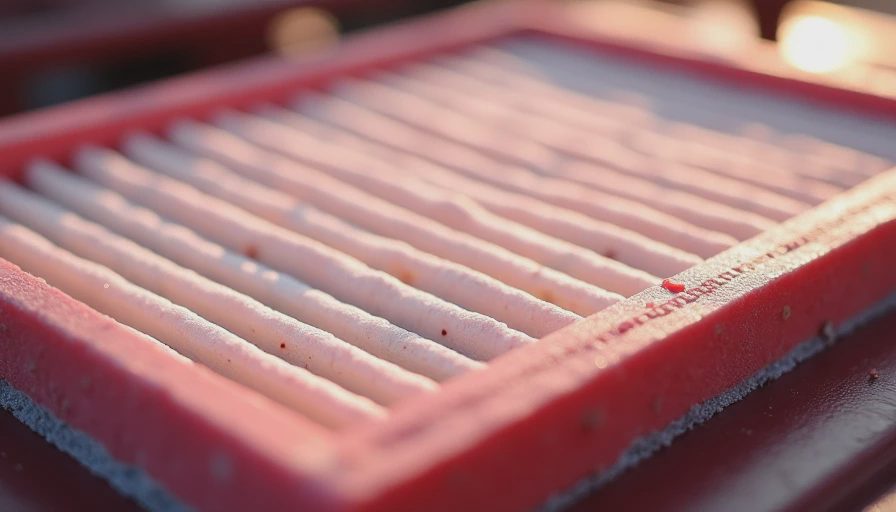
A clean air filter should have open-looking pleats and should not be damp, collapsed, torn, or coated with a thick layer of debris. If you see moisture, investigate rather than simply installing another filter. A clogged condensate drain, frozen coil, oversized equipment, or indoor humidity problem can create conditions that damage both the filter and the HVAC system. A damp filter is also a poor place to ignore mold-like growth.
Write the installation date on the cardboard edge with a marker. This small habit prevents the familiar mystery of wondering whether the filter was changed last month or last season. Keep one or two correctly sized replacements in a closet so a dirty filter does not remain installed because the store is closed.
Does a clean air filter replace an air purifier?
Usually, no. The HVAC filter only cleans air when the heating or cooling system is running, and many systems sit idle for long periods. An air purifier with a true HEPA filter can circulate room air continuously and is often more useful for a bedroom, nursery, or home office where a person spends several hours at a time. The purifier still needs enough clean air delivery for the room; a tiny desktop unit cannot realistically clean a large open living area.
I test this with a particle counter rather than trusting the marketing panel. In a closed bedroom, a properly sized purifier running at a higher setting can reduce fine-particle readings much faster than a central system that cycles on occasionally. The tradeoff is noise, filter cost, and electricity. Replacement HEPA filters commonly cost $30 to $100 depending on the model, while a whole-home filter may cost $10 to $30 every month or two.
An air purifier also does not remove carbon dioxide from a room. If a CO2 monitor climbs because windows are closed and people are sleeping inside, filtration is not the answer. Ventilation is. Likewise, activated carbon can help with some odors, but thin carbon sheets in inexpensive machines have limited capacity compared with substantial carbon beds.
Common buying mistakes that waste money
The first mistake is choosing the highest MERV number without checking airflow. The second is buying the wrong size and forcing it into the slot. The third is assuming a dark filter always proves excellent performance; it may simply indicate that the filter has been neglected. Another common error is buying washable filters because they appear economical. Many washable models capture large debris but perform poorly against smaller particles, and they must dry completely before reinstallation.
People also confuse a furnace filter with a purifier filter. A pleated HVAC filter protects a central system and provides some particle removal throughout the home. A sealed HEPA purifier is a separate appliance designed to recirculate room air through a finer filter. Both can be useful, but they solve different problems.
Finally, do not ignore leaks around the filter rack. If air slips around the edges, even a high-quality filter loses much of its value. Foam gasket tape or a properly fitted replacement rack can sometimes improve results more than upgrading from MERV 8 to MERV 13.
A practical clean air filter routine
On the first of every month, inspect the filter and record its condition. Confirm the arrow points toward the blower, because installing it backward can reduce the intended performance. Check that the frame sits flat with no visible gaps. While the system is off, vacuum dust from the return grille and nearby floor, but do not vacuum a disposable filter and put it back as if it were new.
After installing a clean air filter, listen for changes. A sudden whistle can indicate a poor fit or excessive restriction. Check airflow at several vents and make sure the system is not short-cycling. If cooling performance drops, indoor humidity rises, or the filter repeatedly becomes wet, call an HVAC professional rather than experimenting with increasingly restrictive products.
For allergy concerns, combine sensible filtration with source control: use a bathroom exhaust fan during showers, run a kitchen hood when cooking, clean bedding regularly, and keep outdoor smoke from entering through open windows. If you want a purifier, compare its room rating, replacement-filter price, noise at useful speeds, and measured performance—not just its advertised coverage area.
The best clean air filter is the one that fits correctly, matches your system, and gets replaced before it becomes a blocked mat of dust. Spend carefully, track the schedule, and use a room purifier when central filtration cannot keep up. That approach is cheaper and more effective than buying the biggest number on the package and hoping the rest takes care of itself.