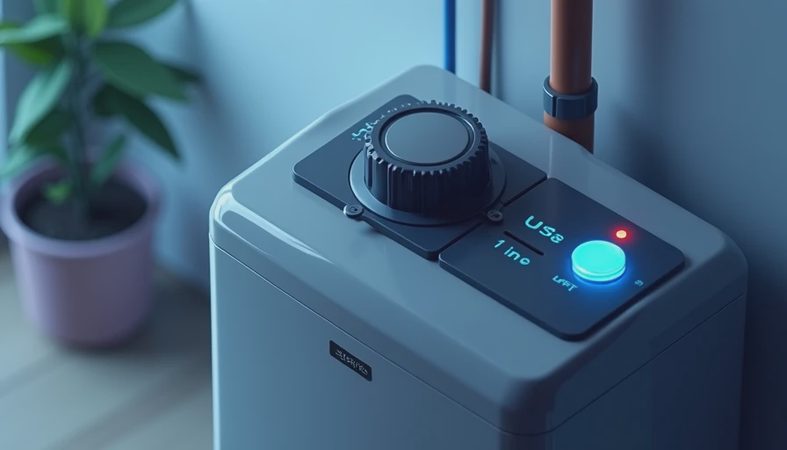
If you live in a place like Miami, humidifier vs dehumidifier is not a cute shopping question. It is the difference between waking up with a dry throat and waking up to a bedroom that smells like a wet towel. I test these machines in real apartments, not in a dry lab with a fake climate, and the same pattern keeps showing up: people buy the wrong device because they guess instead of measuring. A $15 hygrometer tells you more than the box copy ever will.
How I Decide on Humidifier vs Dehumidifier
A humidifier adds moisture to the air. A dehumidifier pulls moisture out. That sounds obvious, but the mistake is assuming your comfort symptoms always point in the right direction. Static shock, cracked lips, and a scratchy nose usually mean air that is too dry. Musty smells, sweating windows, and that heavy coastal feel usually mean too much moisture. In a normal home, the sweet spot is often somewhere around 40% to 50% relative humidity, with a little wiggle room depending on season and HVAC use.
The fastest way to settle humidifier vs dehumidifier is to stop guessing and check the reading in the room you actually sleep in. Put the meter on a dresser, not right under a vent or beside a steamy bathroom. If the number sits under 35% for long stretches, a humidifier starts to make sense. If it keeps living above 55% or 60%, the dehumidifier is the better buy. I like numbers because numbers do not care how expensive the machine looked on Amazon.
What matters next is how the room behaves during a normal day. A bedroom can feel dry at night because the AC is running hard, then turn sticky by afternoon when the sun hits the window. A bathroom can spike fast after showers, while a closed office may stay bone dry once the thermostat kicks on. That is why one unit in the hall never solves everything. Measure the room where the problem shows up.
What a Humidifier Does and What a Dehumidifier Does
Most humidifiers are simple little moisture makers. Cool-mist models use an ultrasonic disk or a wick and fan to push water vapor into the room. Warm-mist units boil water and send out steam, which can feel nice in winter but also costs more to run and is not my first pick for a house with kids or pets. If you buy one, expect to clean mineral buildup and replace filters or wicks on schedule, because stagnant water is where cheap ownership gets ugly.
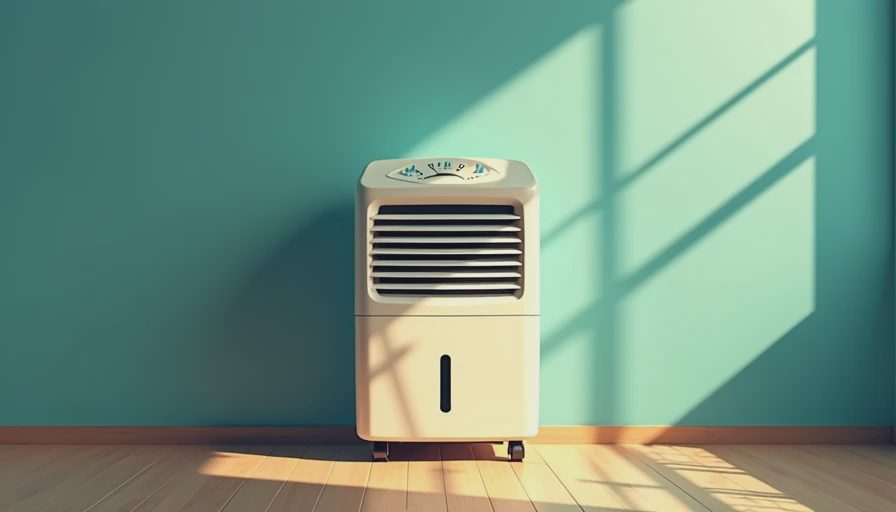
Dehumidifiers work harder than their size suggests. A compressor coil condenses water out of the air, drips it into a tank, and blows drier air back into the room. That is why a 30-pint or 50-pint model can make a muggy room feel dramatically different after a few hours. In my own testing, the little cheap units that look adorable on a product page usually lose steam fast, while a proper Frigidaire or Midea style portable can actually move room humidity where you want it.

Room-by-Room Clues That Usually Give the Answer
In humidifier vs dehumidifier decisions, the bedroom and bathroom usually tell on themselves. If the bedroom air is sitting around 30% in winter and you wake up with a dry mouth, a humidifier belongs there before bedtime. If the bathroom mirror stays foggy long after the shower and the laundry takes forever to dry, a dehumidifier earns its place. I have seen one condo bedroom swing from 70% after an afternoon rain to 52% after a decent portable unit ran for a few hours, and that is the kind of change you can feel.
The living room is trickier because the HVAC system may already be doing part of the job. Central air naturally removes some moisture while cooling, so a room that feels stuffy might be an airflow issue instead of a humidity issue. Open the closet door, check the corners, and smell for that basement note people pretend not to notice. If the room feels dry only when the heat runs, a humidifier can help. If the space feels clammy all day, you need moisture removal, not a louder fan.
For nurseries, home offices, and guest rooms, I start with the same rule: use the meter first, then buy the machine. A small room can go from comfortable to miserable with one bad shower, one closed door, or one overworked window unit. That is why I like a simple hygrometer more than a smart gadget that tries to guess for you. The gadget can be wrong and still look polished.
The Real Costs Behind Humidifier vs Dehumidifier
The price tag is only the first line item. A basic cool-mist humidifier can run about $30 to $80, while a nicer evaporative model may land around $80 to $180. Portable dehumidifiers usually start closer to $180 and can move into the $250 to $350 range fast if you want a reliable 20- to 35-pint unit. Whole-home systems cost more than that, but most apartment and condo shoppers never need to go there.
Maintenance is where a lot of people get annoyed. Humidifiers need clean tanks, fresh water, and occasional filter or wick changes. If you use tap water with a lot of minerals, white dust and scale can show up fast. Dehumidifiers need the tank emptied, or a drain hose set up if the model supports it, and the coils and filter kept clean so airflow does not choke off. Cheap moisture gear becomes expensive the moment you ignore upkeep.
The power draw matters too. A small humidifier is usually light on electricity, while a compressor dehumidifier can add a noticeable bump if it runs all day in a damp room. That does not mean you should avoid it. It means the right machine, set to the right target, saves you from running a busted solution nonstop. I would rather spend a little more on the correct unit than pay twice for a bargain that never stabilizes the room.
My Short Rule Before You Spend the Money
Once you understand humidifier vs dehumidifier, the rest gets simple. If the room is dry, crackly, and sitting below about 40% RH, buy the humidifier. If the room feels heavy, smells stale, or stays above about 55% RH, buy the dehumidifier. If the number lives in the middle and the room already feels fine, do not shop yourself into a problem that is not there. Fix airflow, keep the HVAC filters clean, and save the cash for a better machine later.
That is the version I trust when I am standing in the aisle or looking at a screen full of shiny nonsense. Measure first, then match the machine to the room. It is a boring rule, and it saves money every time. If you want the short version: buy for the climate in the room, not for the label on the box.